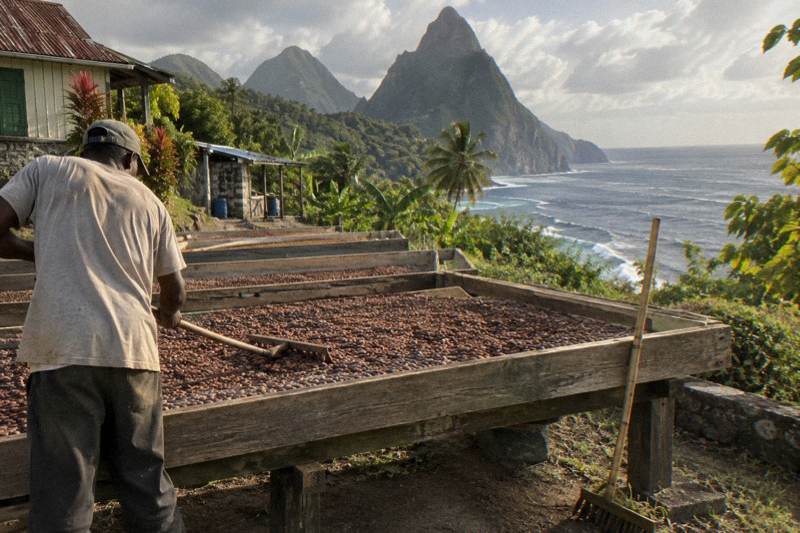
Who Owns Rabot Estate In St Lucia?
Hotel Chocolat bought Rabot Estate in 2006 and runs Project Chocolat across six acres of the Soufriere cacao farm. What that means for visitors.
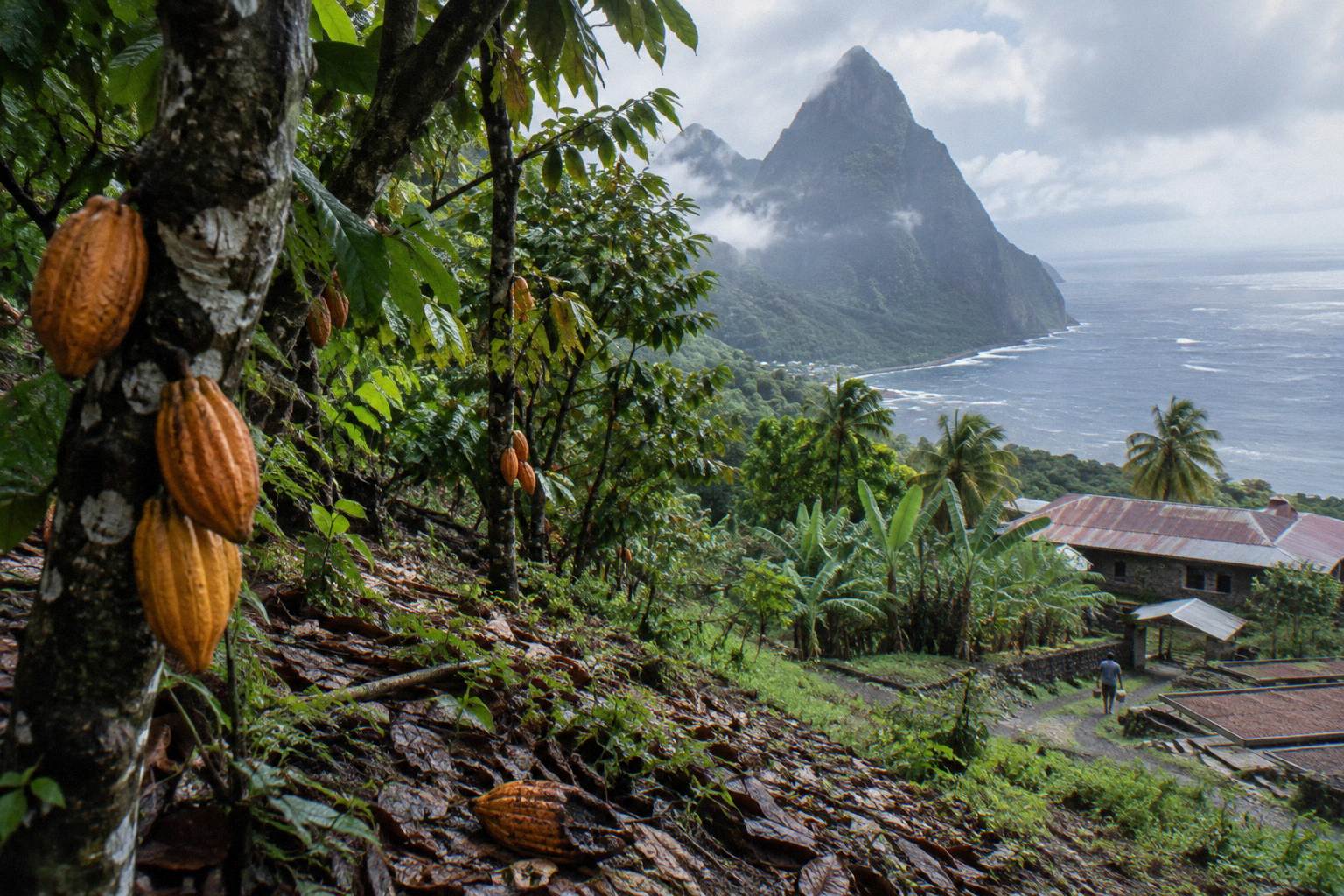
Rabot Estate sits at the heart of the island's cocoa country outside Soufriere, and it anchors the tree to bar and estate session category here. The question of who owns it has a short answer and a long backstory, and both matter if you are deciding whether a visit fits your trip.
| Fact | Detail |
|---|---|
| Current owner | Hotel Chocolat |
| Year of purchase | 2006 |
| Estate standing | Described as the oldest working cacao farm on the island |
| Attraction on the estate | Project Chocolat, across six acres |
| Hotel on the estate | Rabot Hotel, adults-only, 25 private lodges |
| Estate location | Hotel Road, Rabot, Soufriere |
| Attraction opening times | Daily 08:00 to 17:00 |
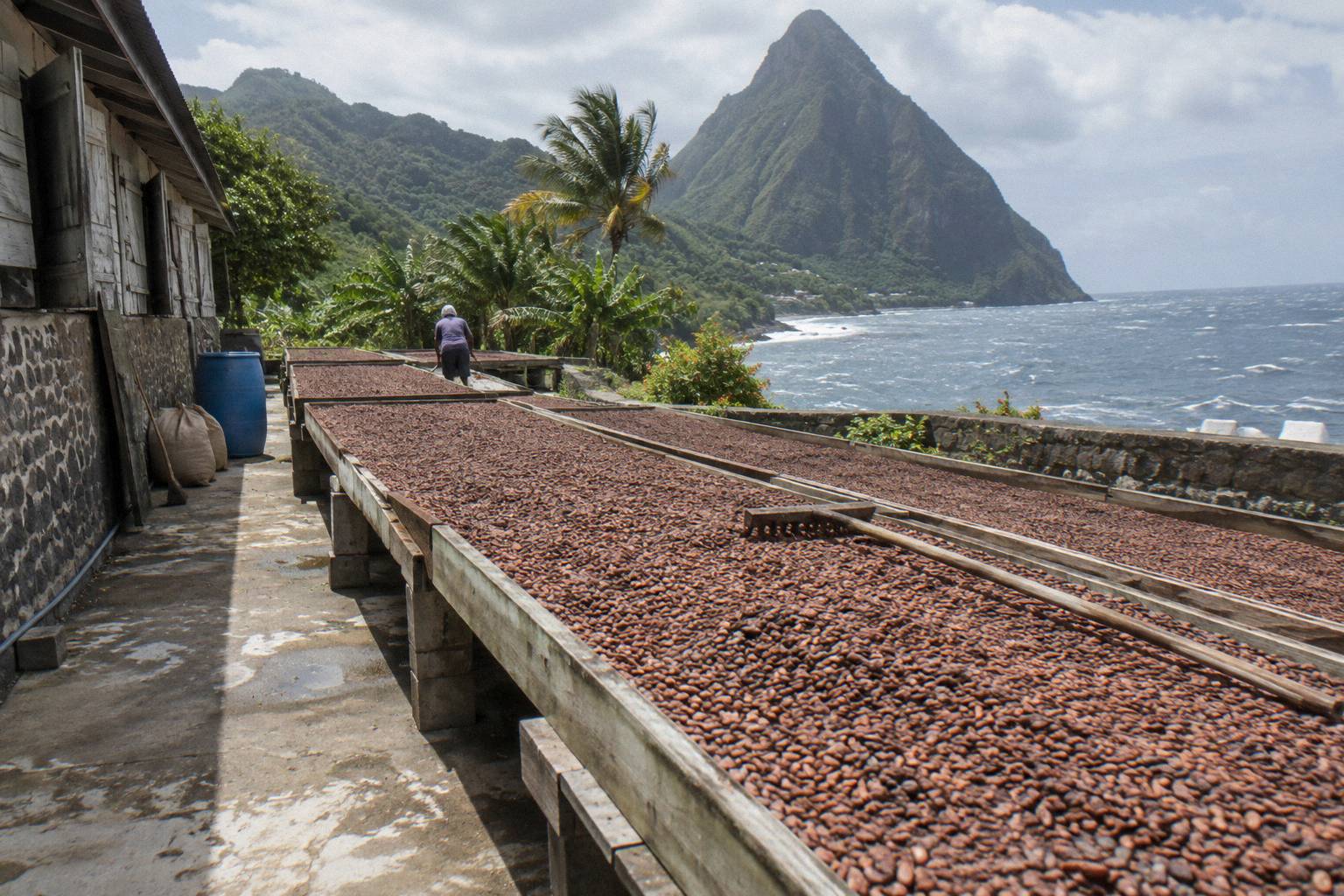
Rabot Estate belongs to Hotel Chocolat, the British chocolate company. The purchase completed in 2006, and the company has run the Soufriere property as a working cacao farm ever since, describing it as "the oldest working cacao farm on the island". The Saint Lucia Tourism Authority recognises the same standing, calling Rabot Estate Saint Lucia's oldest working cacao farm on its local farms page. Ownership, in other words, is not a puzzle: one company, one estate, one date.
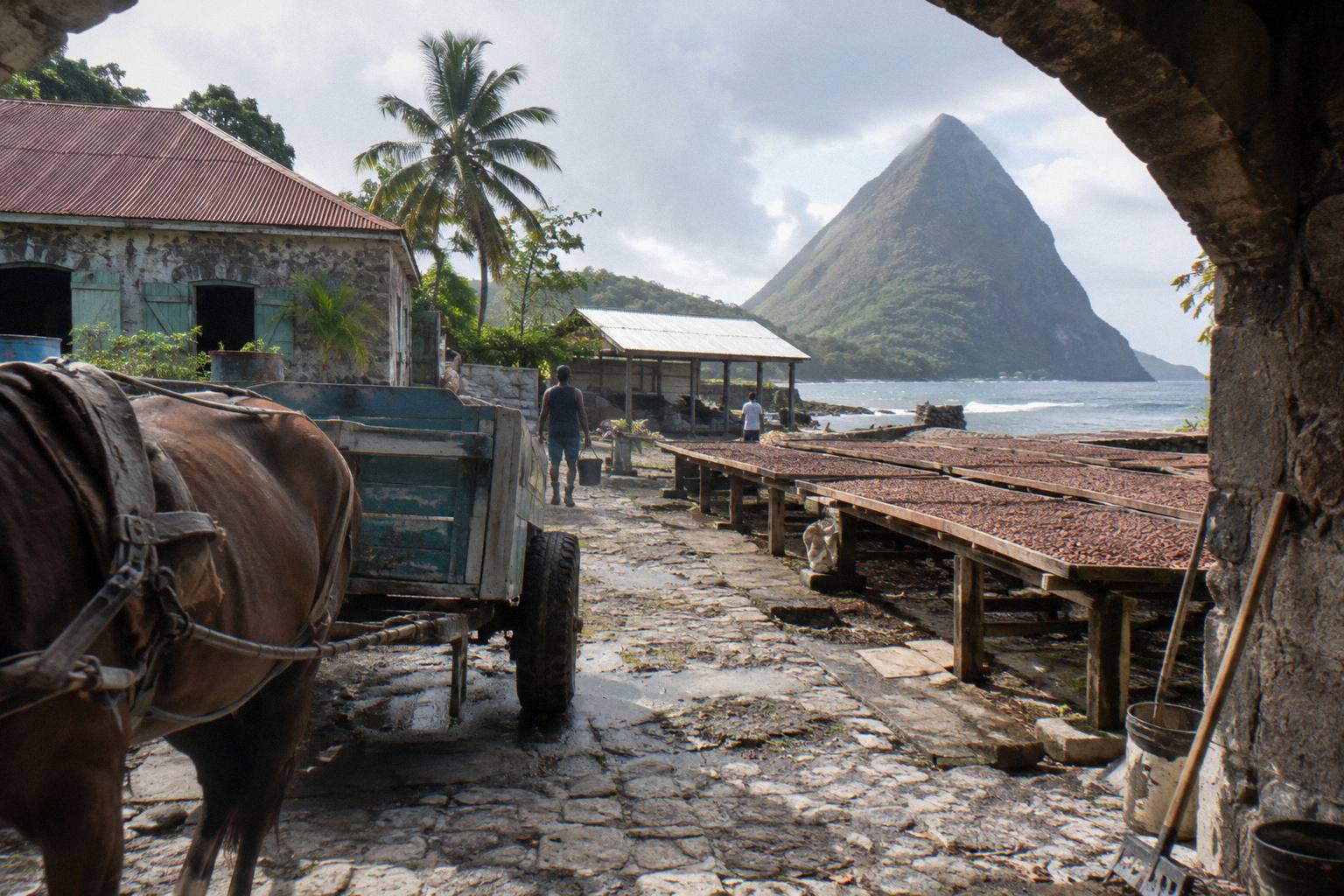
The 2006 purchase was not a small real estate transaction in a vacuum. Hotel Chocolat was already a chocolate maker that wanted closer control of its cocoa supply, and Saint Lucia offered an island with fine flavour cocoa credentials and a farm with generations of history behind it. The company's own cocoa estate page records the purchase year and the oldest-farm description in its own words, which is the phrasing repeated here rather than an independent audit of the island's farms.
What the buyer found was an estate that had lived through the island's full agricultural cycle. Cocoa arrived on Saint Lucia in the 1660s, and by the time Hotel Chocolat appeared on the scene the crop had already survived displacement by bananas in the 1960s and the collapse that followed trade changes in the early 2000s. The revival of the estate is part of that wider recovery of cocoa on the island, a story the FAO tells in detail on its Saint Lucia cocoa page.
What The 2006 Purchase Actually Changed
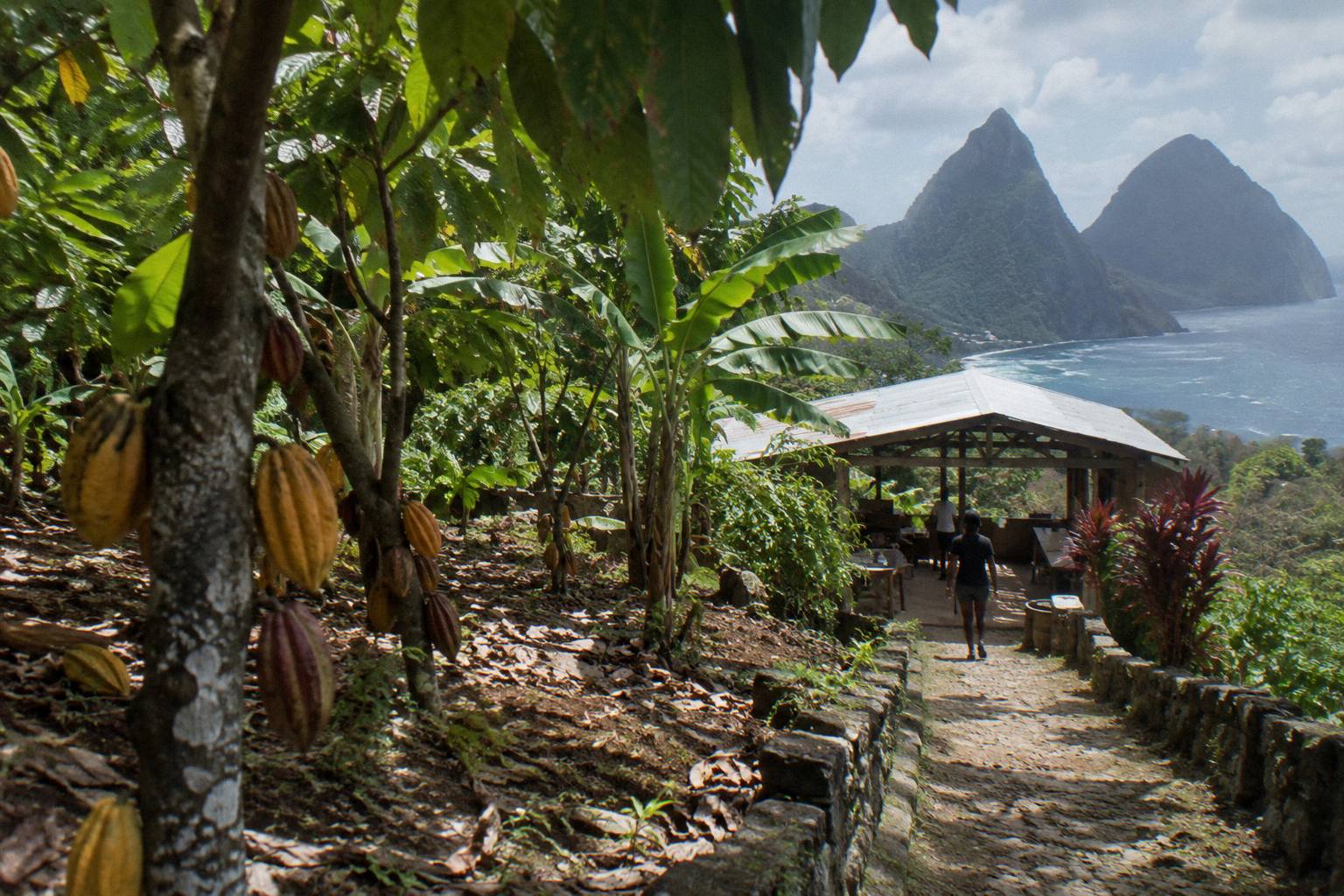
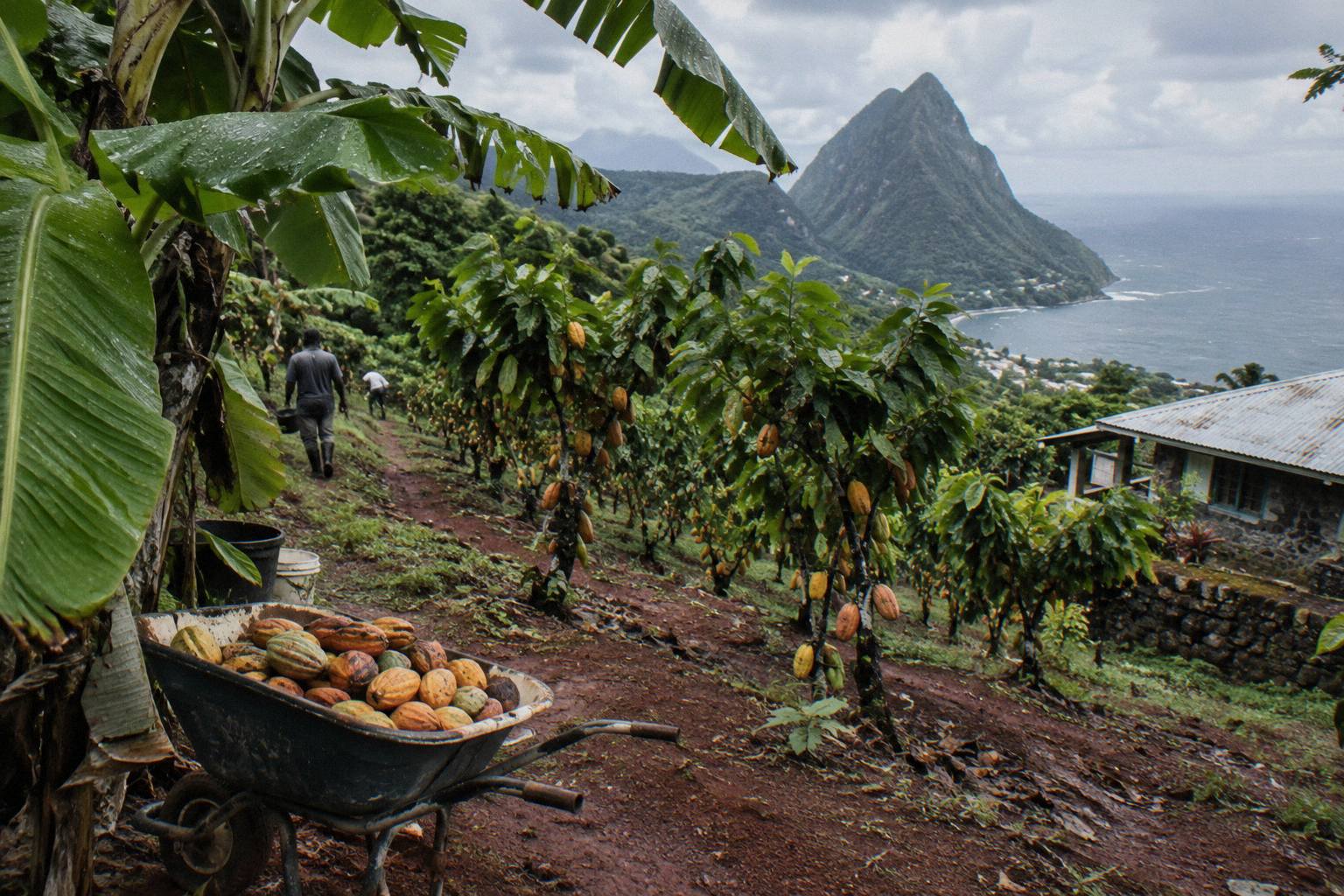
Hotel Chocolat's ownership turned a tired plantation back into a producing farm and added a visitor business on top of it. The groves were restored, a chocolate-making attraction called Project Chocolat was built across six acres, and an open-air hotel rose among the trees. Before 2006 none of that visitor infrastructure existed in its current form. The new owner made cocoa the point of the property again.
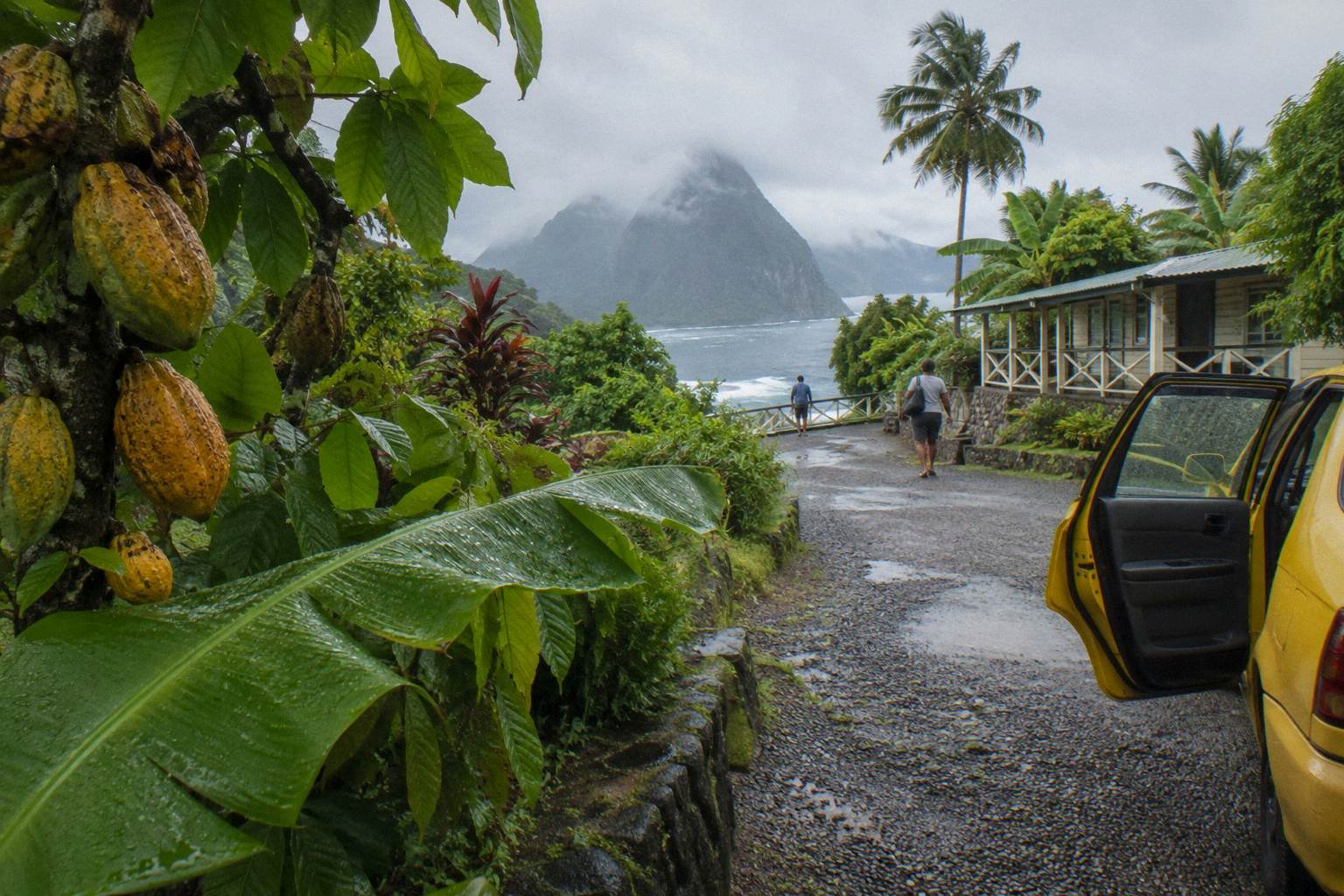
The scale of what visitors encounter is worth keeping proportionate. Project Chocolat occupies six acres of the estate, according to the Project Chocolat page on the estate's own website. No larger estate acreage appears in any official source, so six acres is the only figure worth repeating. Within those six acres sits the attraction's full offer: the cacao grove walk, the grafting demonstration, the bar-making school and a market-style lunch for those on the Tree to Bar route.
Ownership also changed what the farm means to the island's economy. The FAO story notes that a hotel chain is the largest cocoa market on the island, without naming it, and Hotel Chocolat's estate operation fits that description: a hospitality business buying and processing local cocoa at scale. Farmers who kept their trees through the lean years gained a buyer with a steady demand for fine flavour beans, and the estate became both a farm and a shop window for the crop.
Who Runs Things Day To Day
Project Chocolat from Hotel Chocolat operates the visitor experience on the estate, and it is the operator behind the bookable sessions. The main product is the Tree To Bar Tour, from US$130 per person, rated 4.7 from 587 reviews, running two to three hours with lunch included and transportation excluded. A shorter Bean to Bar route skips the groves and goes straight to making a bar. Amounts on this page are US dollars.
The distinction between owner and operator matters less here than at most attractions, because they are the same organisation. Hotel Chocolat owns the land, grows the cocoa, makes the chocolate and sells the tickets. That vertical arrangement is the reason a session on the estate can walk you from a tree to a finished bar without leaving the property, and it explains why the operator name on the booking is Project Chocolat rather than a third-party tour company.
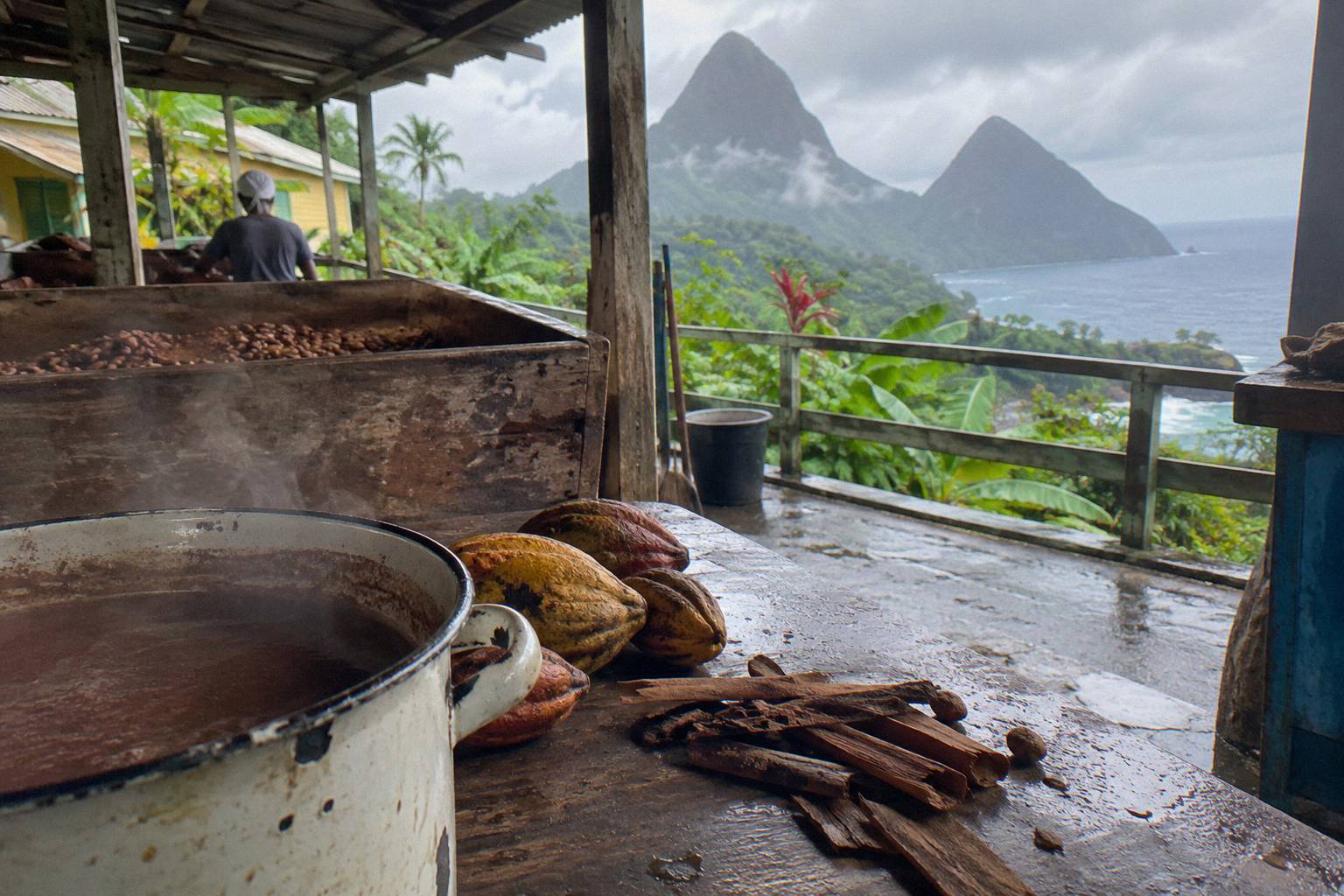
Not every chocolate experience in Saint Lucia works that way. Independent operators run their own sessions at other estates and farm venues, and some products bundle transport to the estate with a session, which the estate's own flagship tour does not. The comparison between the estate's direct offer and the independent alternatives is laid out in the Hotel Chocolat experience or independent estate tour guide, which is worth a read before you commit.
Can You Visit Without Staying At The Hotel?
Yes. The estate is not a gated resort, and the Project Chocolat attraction opens daily from 08:00 to 17:00, with walk-ins welcome for food and drink. Non-guests book chocolate sessions, eat at the Cacao Bar with its Piton views, and shop for the company's micro-batch chocolate made on site. Only the hotel itself is restricted, and it is adults-only throughout, so families visiting for the day use the attraction side of the estate.
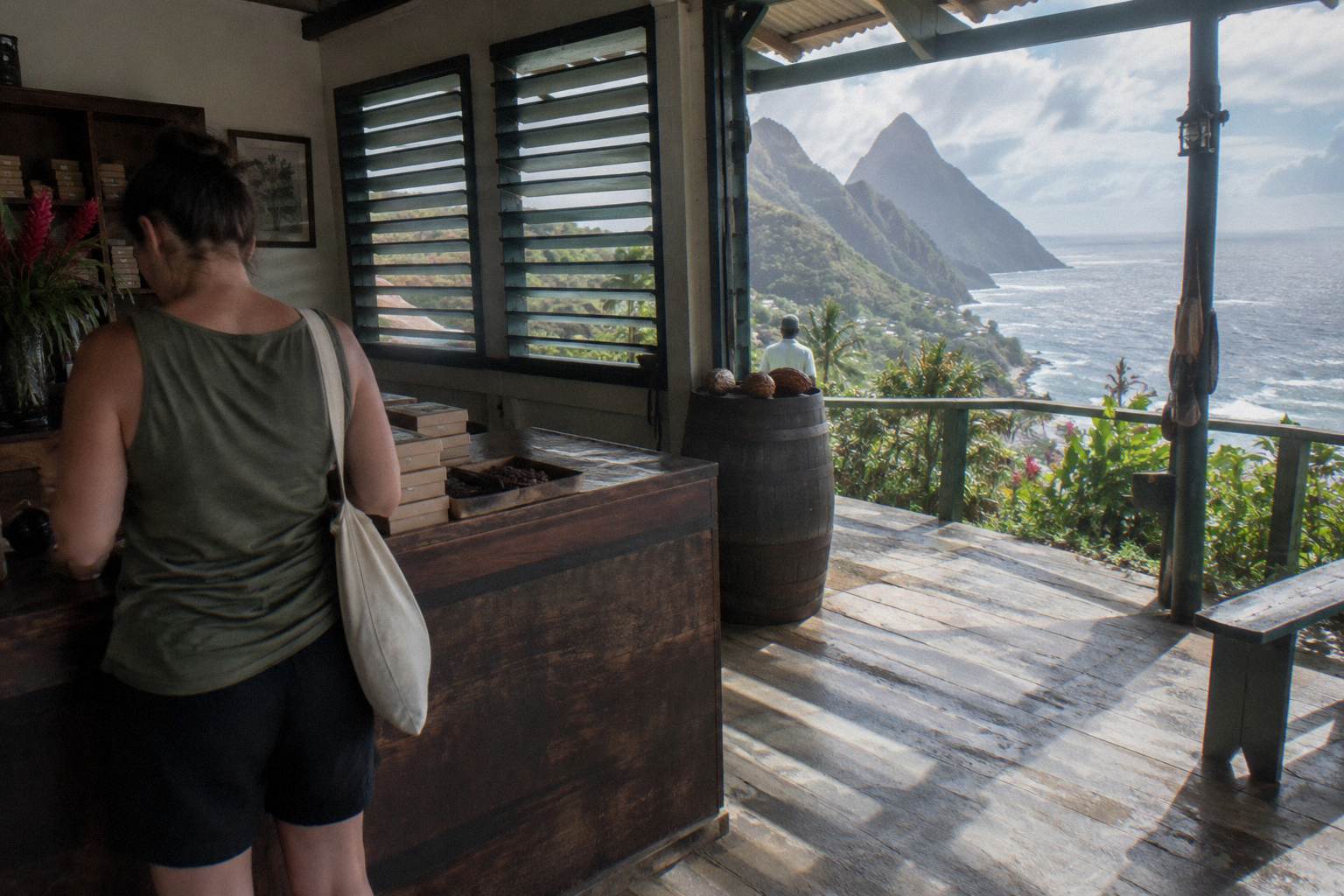
The hotel and the attraction are separate propositions under one owner. Rabot Hotel is an open-air, adults-only boutique property with 25 private lodges, a restaurant and bar, an infinity pool and a spa, all with Piton views, per the estate's own website. You do not need a lodge key to take a tour, and tour guests do not wander through the hotel's private areas. The two audiences share the view and the cocoa, nothing more.
For day visitors the practical detail is getting there. The estate sits on Hotel Road in Rabot, Soufriere, on the island's southwest coast. The flagship Tree to Bar session excludes transportation, so you arrange your own drive or taxi, while some partner products bundle private transport with a Bean to Bar session for travellers who prefer not to drive. Check the booking calendar for start times on the date you want.
The guide to getting to Rabot Estate covers roads, transfers and the practicalities of arriving from the north of the island, and it pairs with the session itself rather than repeating it here.
How Old Is The Estate Really?
The baseline answer: no founding year appears in any official source, so none is claimed here. What is documented is cocoa's arrival on Saint Lucia in the 1660s, the estate's description as the oldest working cacao farm on the island in the owner's wording, and the Tourism Authority's recognition of the same standing. "Oldest working" is a claim about continuous cultivation, not a founding date, and the company's phrasing carries the claim rather than an independent historian.
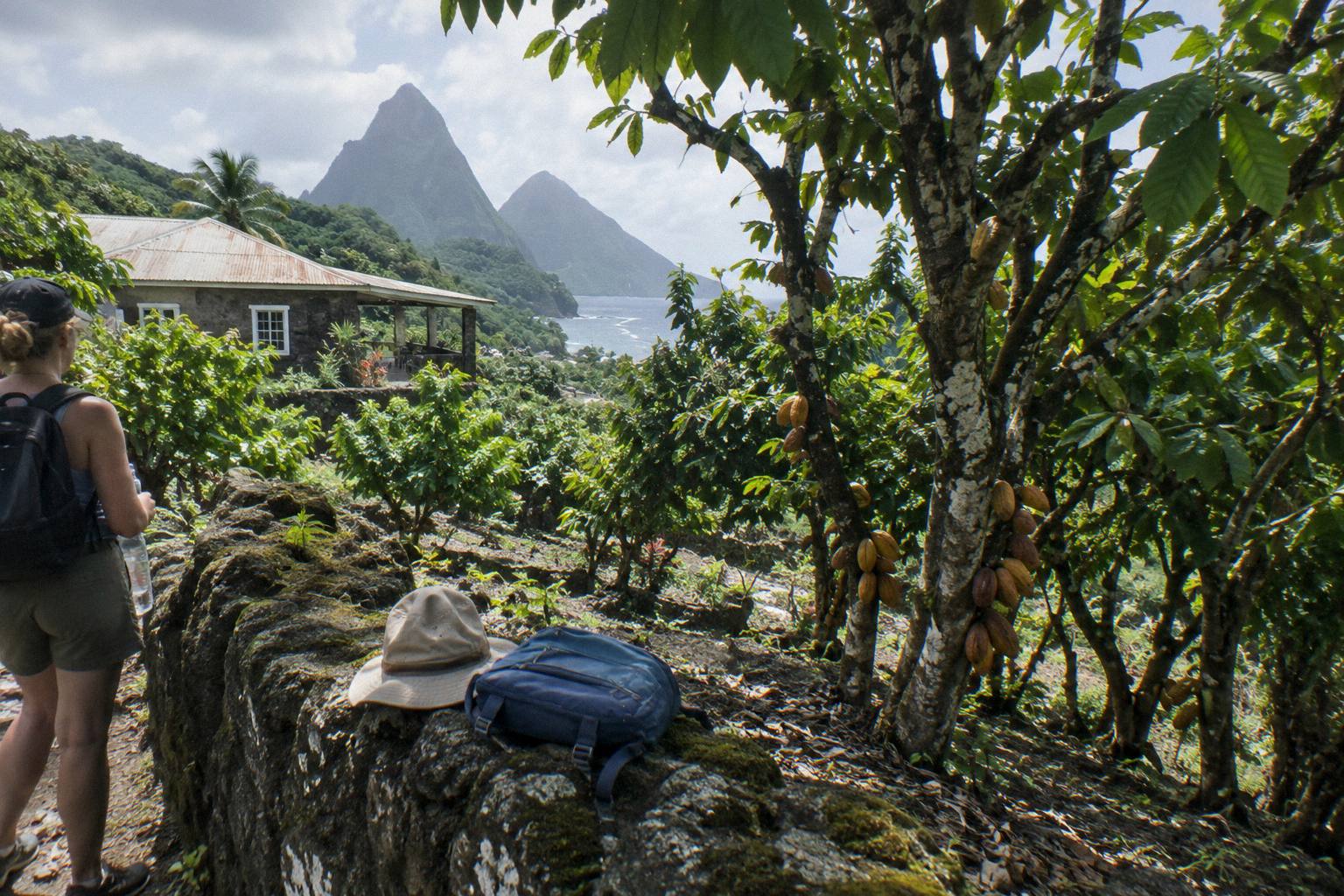
Neighbouring estates have firmer dates. Morne Coubaril, also near Soufriere, places its origins in the 1740s and has been in the Devaux family for more than two centuries, per the Morne Coubaril estate history page. Fond Doux describes itself as a 250-year-old working cocoa plantation on its own resort pages. Against those, Rabot Estate's claim rests on being a farm that has kept growing cacao rather than on a deed from a particular decade.
| Estate | Documented history point | Source of the claim |
|---|---|---|
| Rabot Estate | Bought by Hotel Chocolat in 2006; oldest working cacao farm on the island | Company pages; Tourism Authority local farms page |
| Morne Coubaril | Origins in the 1740s; Devaux family for over two centuries | Estate's own history page |
| Fond Doux | 250-year-old working cocoa plantation | Resort's own about page |
The comparison is not a competition, and no ranking is implied by the order of the rows. Each estate states its own history in its own words, and a visitor who cares about plantation heritage has several places worth a stop, not one. The wider set of guides lives on St Lucia Chocolate Tours.
What The Island's Cocoa Revival Has To Do With It
Hotel Chocolat's ownership is inseparable from the wider recovery of cocoa on Saint Lucia after the early 2000s. When the banana industry collapsed following trade-agreement changes, cocoa returned to prominence, and Saint Lucia now sits among the top nine exporters of 100 percent fine or flavour cocoa and the top 23 producers of premium cocoa, per the International Cocoa Organization as quoted by FAO. The estate's revival is one visible piece of that turnaround.
The FAO's account of the revival includes the unglamorous work behind the marketing: workshops for over 40 farmers, agro-processors and extension officers covering pruning, drainage, harvesting, fermentation stages and drying. Grafting is the preferred method of propagating cocoa on the island, which is why a grafting demonstration appears in the Tree to Bar session. The visitor experience and the agricultural programme share a root system.
Cocoa's cultural weight goes beyond export statistics. Cocoa tea, made with freshly ground cocoa sticks and spices such as nutmeg, cinnamon and bay leaf, is an island tradition spanning generations, and the FAO story opens its account with a farmer who starts each morning with a cup. A visitor asking who owns an estate is really asking whose version of that tradition is on display, and the answer here is a chocolate company's.
Is A Session On The Estate Worth Booking?
For most visitors who make the drive to Soufriere, yes, and the review pool backs that confidence: the Tree To Bar session rates 4.7 from 587 reviews, from US$130 per person, with lunch included and a minimum age of 8. The shorter Bean to Bar route suits tighter schedules, and a catamaran day that pairs the estate with Sulphur Springs suits visitors who want the south coast in one booking. Transportation on the flagship session is excluded.
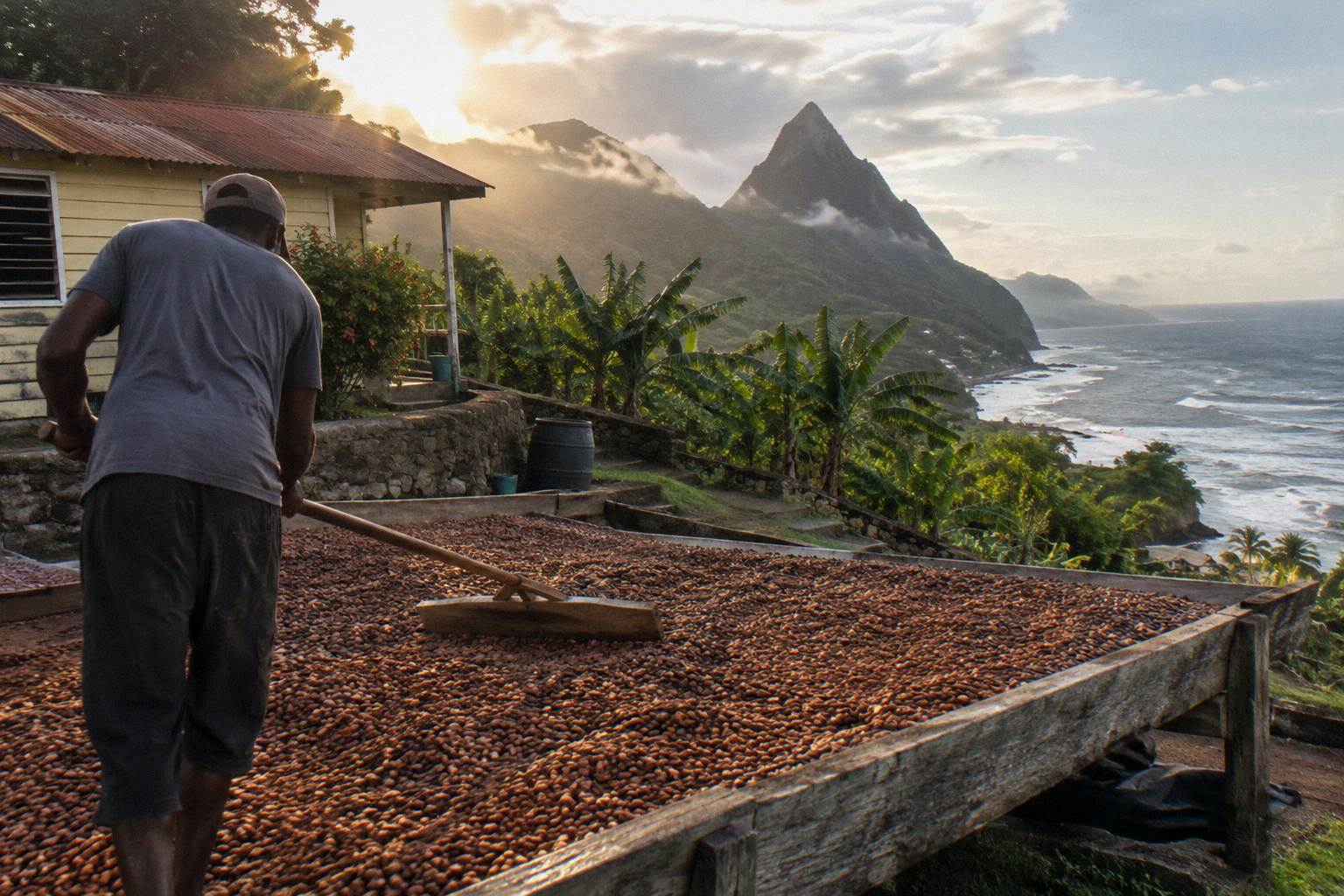
Choosing between the estate's own products comes down to time and transport. Tree to Bar spends roughly 2.5 hours on the full route: the grove walk, the grafting lesson and the bar-making, with a market-style lunch. Bean to Bar is the shorter route straight to making your own bar, and an operator called Xceptional Tours sells a version with private air-conditioned transport included, from US$190 per person, which suits travellers staying in the north who would rather not arrange a driver. The session-by-stage breakdown lives in the Project Chocolat session guide.
Visitors weighing the estate against a full-island day can look at the Island Routes catamaran and Sulphur Springs tour, a 10-hour product from US$286.50 per person that sails to Soufriere, includes the chocolate making, a cocoa-inspired lunch, mud baths and snorkelling by the Pitons, and rates 4.2 from 19 reviews. Note its cancellation terms differ from the estate's own sessions: it is all sales final, while the direct sessions allow free cancellation up to 24 hours before start. See dates and check the live price before deciding, since availability moves with the season.
What The Estate And Its Owner Mean For Soufriere
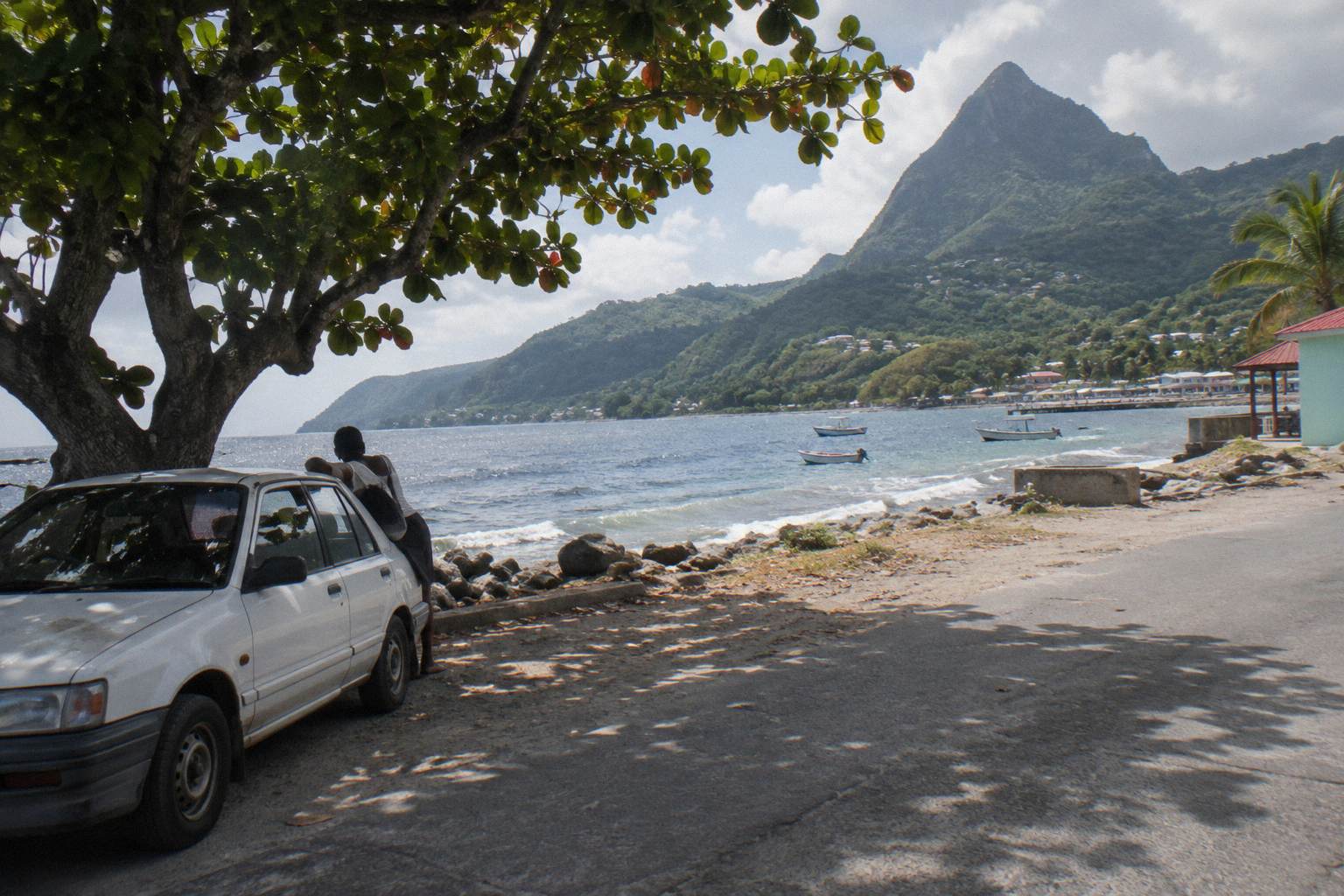
Soufriere's economy leans on its landscape, and the estate is one of the town's working anchors. A chocolate company owning a producing cacao farm keeps agricultural land in cultivation rather than converting it to construction, and the Project Chocolat attraction channels cruise and stayover visitors into that working landscape. Gros Piton stands at 798 m and Petit Piton at 743 m, peaks inscribed by UNESCO in 2004, with the estate in their shadow.
The Tourism Authority's own pages describe the area as strongly associated with cacao growing in volcanic soil, which is the same combination that drew Hotel Chocolat to buy here. The visitor business and the farm reinforce each other: sessions need the groves, and the groves get a market through the sessions. That loop is the practical legacy of the 2006 purchase for the town.
The seasonal rhythm matters for planning a visit. The busiest, driest period runs December to April, and Castries' main cruise season runs October to April with as many as five ships calling on a single day, per the ports authority. Estate sessions book up fastest when ships are in and in the peak dry months, so travellers with fixed dates benefit from booking ahead; the trade-offs are laid out in the booking ahead or on the day guide.
Ownership also shapes what the estate sells. The on-site shop carries Hotel Chocolat's handmade micro-batch chocolate, produced on the island, alongside the estate experience itself. Visitors comparing that with other island producers and cocoa estates can work through the buying chocolate in St Lucia guide, which separates the brands from the farms.
What Trips People Up Before You Book
The most common mistakes are assuming transport is included on the flagship estate session, expecting a hotel guest experience as a day visitor, and mixing up the two session routes. The Tree to Bar tour excludes transportation, the hotel is adults-only with 25 lodges and no day access, and Bean to Bar skips the groves entirely. Getting these three straight before booking saves a wasted morning and a rebooked day.
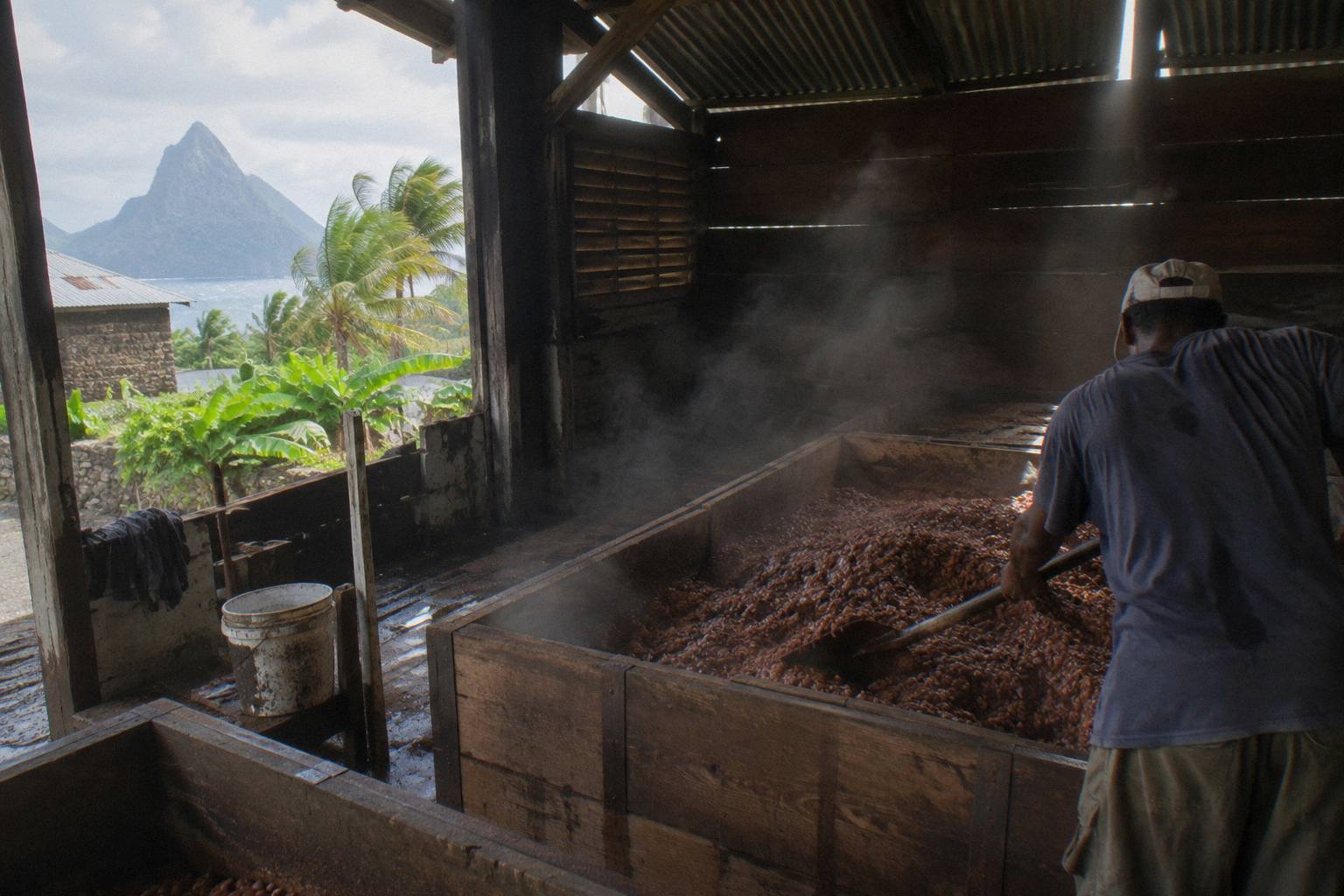
A few specifics help. The estate's attraction opens daily 08:00 to 17:00, but session start times are chosen on the booking calendar, so do not assume a fixed morning slot. Minimum ages differ by product: 8 on the Tree to Bar session, 0 on the Bean to Bar product with transport, 12 on the catamaran day. Lunch is included on the estate's flagship session and excluded on several partner products, so check inclusions on the exact product you are comparing rather than assuming the estate's offer travels with every booking.
Money questions come up too. Prices vary by date and group, and the booking page shows the price for the date you choose. Some bundled products carry separately paid admissions, such as the chocolate factory admission of US$45 per person on one rum and chocolate product, while the estate's own sessions fold their fees into the fare. If a figure is not on the product's own page, ask the operator before you travel.
The Session In Short
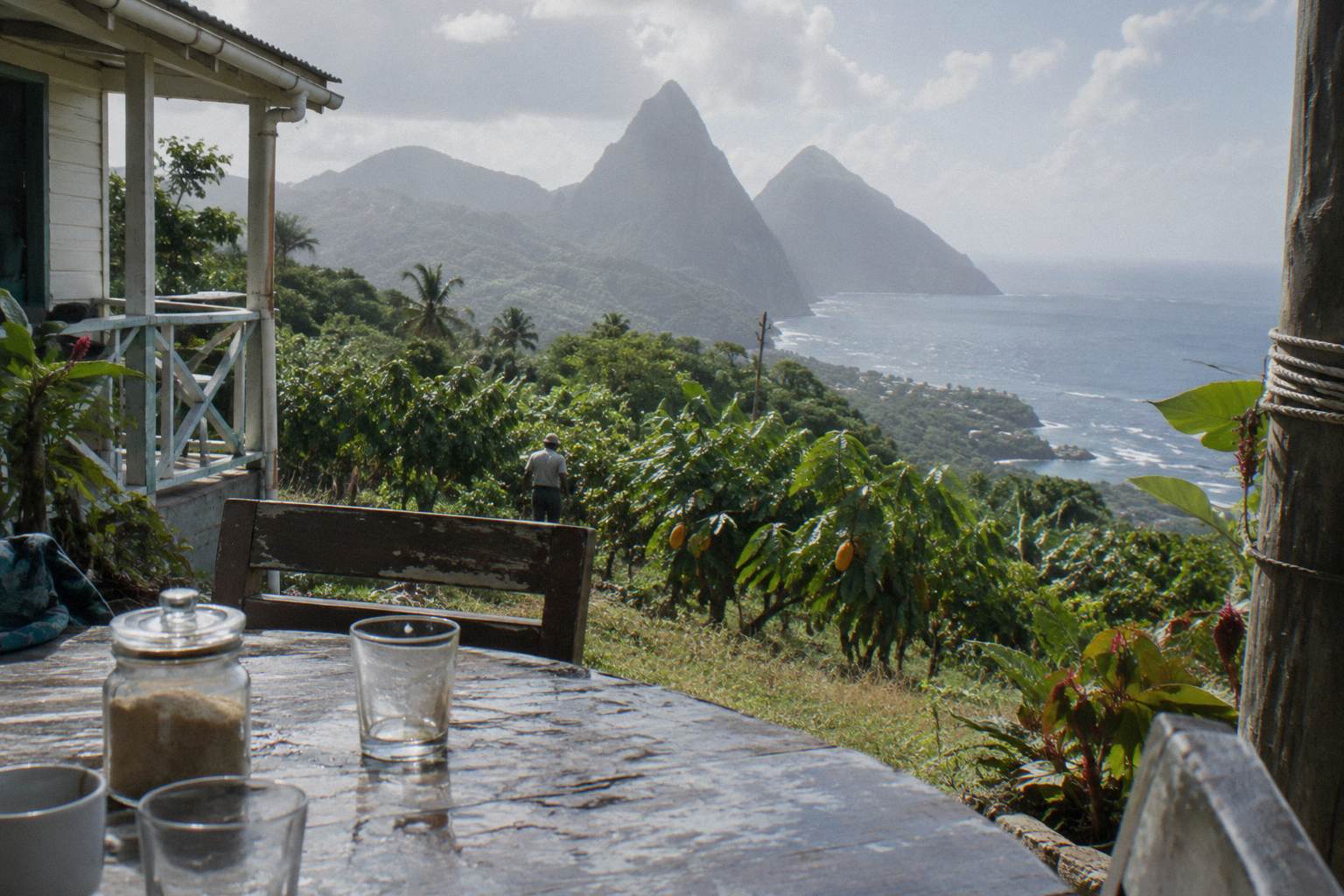
The flagship estate product distils to a handful of figures: from US$130 per person, 4.7 from 587 reviews, two to three hours, minimum age 8, lunch included and transportation excluded, with free cancellation up to 24 hours before start. The operator is Project Chocolat from Hotel Chocolat, and the session departs from the estate itself in Soufriere, inside the six visitor acres. The table below holds the same facts for quick comparison.
| Detail | Tree To Bar Estate, Lunch Included |
|---|---|
| Operator | Project Chocolat from Hotel Chocolat |
| Price | From US$130 per person |
| Rating | 4.7 from 587 reviews |
| Duration | 2 to 3 hours |
| Minimum age | 8 |
| Included | Tree to Bar cacao tour; chocolate making experience; lunch |
| Excluded | Transportation |
| Cancellation | Free up to 24 hours before start |
Anyone wanting a deeper account of what happens stage by stage, from the grove walk through grafting to the bar you temper and take away, can read the is the Rabot estate tour worth it blog post, which weighs the session against its price rather than restating the ownership story.
Common Questions About The Rabot Estate
Who Owns Rabot Estate In St Lucia?
Hotel Chocolat owns Rabot Estate, having bought the Soufriere cacao farm in 2006. The company describes it as the oldest working cacao farm on the island, a standing the Tourism Authority also recognises, and runs its Project Chocolat attraction and the Rabot Hotel on the property.
Is Rabot Estate The Same As Hotel Chocolat?
Effectively yes. The estate is the land and farm; Hotel Chocolat is the owner; Project Chocolat is the visitor attraction set across six acres of the estate. Booking a chocolate session, staying at the hotel or buying chocolate in the shop all involve the same ownership.
Can You Visit Rabot Estate Without Staying There?
Yes. The attraction opens daily from 08:00 to 17:00 and welcomes walk-ins for food and drink. Sessions such as the Tree to Bar tour are open to all visitors, while the adults-only hotel with its 25 lodges is reserved for guests.
When Did Hotel Chocolat Buy The Estate?
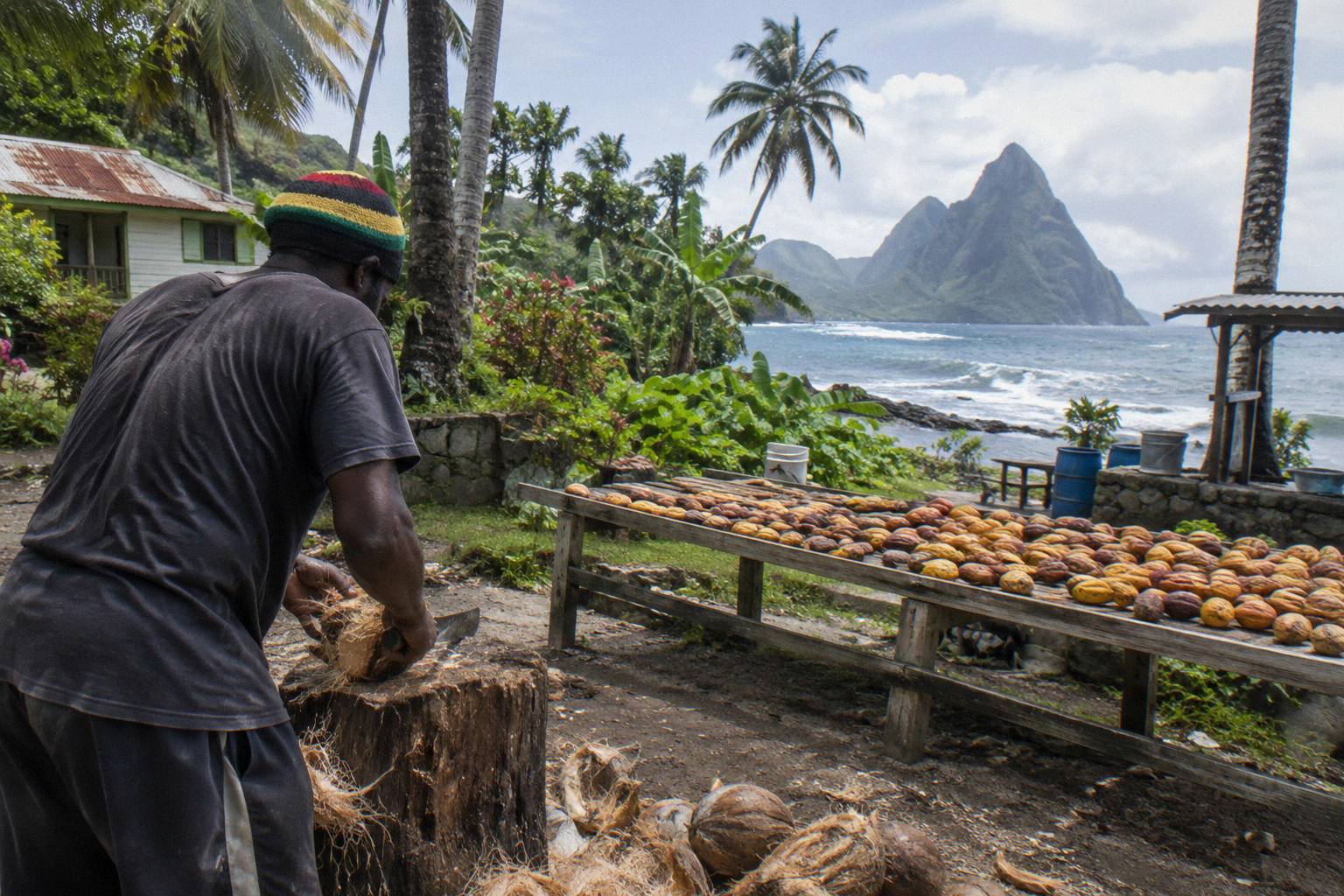
Hotel Chocolat bought Rabot Estate in 2006, per the company's own cocoa estate page. No founding year for the estate itself appears in official sources, so the purchase date is the firm anchor in its modern history.
How Big Is The Estate?
The only acreage in official material is six acres, the footprint of the Project Chocolat attraction on the estate, per the attraction's own page. No larger estate figure appears in a sourced document.
Does Hotel Chocolat Grow Its Own Cocoa On Saint Lucia?
Yes. The estate is a working cacao farm, and the FAO's account of cocoa's revival on Saint Lucia notes that a hotel chain is the island's largest cocoa market. Hotel Chocolat's estate operation buys and processes local cocoa, and its shop sells micro-batch chocolate made on site.