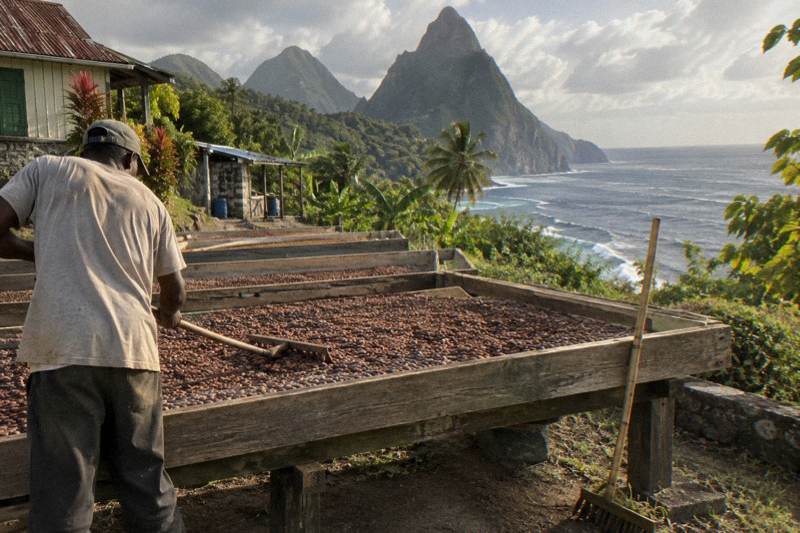
Fond Doux Or Rabot: Which Estate Fits Your Day
Two estates anchor St Lucia's cocoa story: the Rabot Estate with its bookable chocolate sessions, and Fond Doux with its 250-year-old plantation setting. Here is how the choice actually works.
Short answer
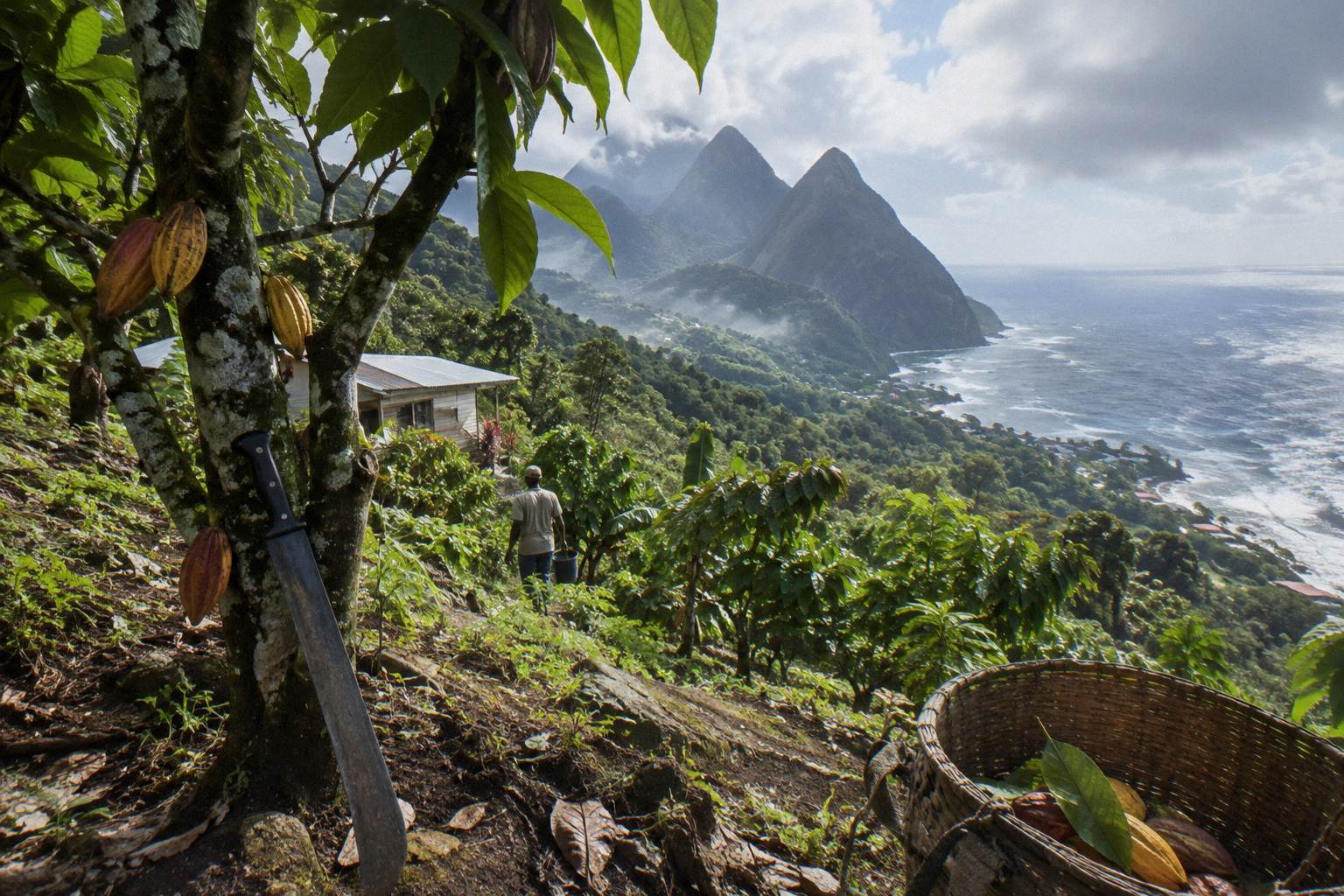
Choose the Rabot Estate if you want a booked chocolate-making session: Tree To Bar Estate, Lunch Included runs from US$130 per person for 2 to 3 hours. Choose Fond Doux if you want a historic resort setting, a cocoa fermentry house and the Plas Cacao shop. Only the Rabot-based session bookable here.
Start from the bookable side of the decision: the Tree To Bar estate session with lunch is the product most Fond Doux versus Rabot debates eventually land on, and it is worth understanding before you weigh the two places. Once you know what a booked session looks like, the Fond Doux question becomes much easier to answer.
| Fact | Detail |
|---|---|
| Rabot Estate owner | Hotel Chocolat, since 2006 |
| Rabot Estate standing | The oldest working cacao farm on the island, in company wording |
| Project Chocolat footprint | Six acres of the Rabot Estate, Soufriere |
| Project Chocolat hours | Daily, 08:00 to 17:00 |
| Bookable Rabot session | Tree To Bar Estate, Lunch Included, from US$130 per person |
| Fond Doux setting | Restored 19th-century colonial estate on a 250-year-old working cocoa plantation |
| Fond Doux cocoa features | Cocoa fermentry house and the Plas Cacao shop |
| Fond Doux scale | 25 rooms and two restaurants, in resort wording |
All amounts on this page are US dollars.
Which Estate Should You Choose For A Cocoa Day?
Pick the Rabot Estate when a booked chocolate session is the point of the day, and pick Fond Doux when the setting itself is the point. The Rabot side gives you a structured two to three hour experience with lunch from US$130 per person, on a farm Project Chocolat runs daily from 08:00 to 17:00. Fond Doux gives you a 250-year-old plantation you wander as a place, but no listed session to reserve there.
That is the whole decision in one line, and the rest of this page builds the detail around it. Both estates sit in the Soufriere corner of St Lucia, the part of the island the tourism authority describes as strongly associated with cacao growing, and both trade on the same deep history: cocoa arrived on Saint Lucia in the 1660s, faded behind bananas in the 1960s, collapsed with the banana trade in the early 2000s and has been reviving since. The FAO story on cocoa on Saint Lucia records that Saint Lucia now sits among the top nine exporters of 100 percent fine or flavour cocoa, per the International Cocoa Organization.
So the choice is not history versus modernity. Both estates carry the history. The choice is format: a session you book with a start time, a lunch and a bar you make yourself, versus a plantation estate you visit at your own pace, eat in and, if you fall for it, sleep in. If your day has a fixed shape, a cruise berth or a flight to catch, the booked session wins. If your day is loose, the estate visit wins.
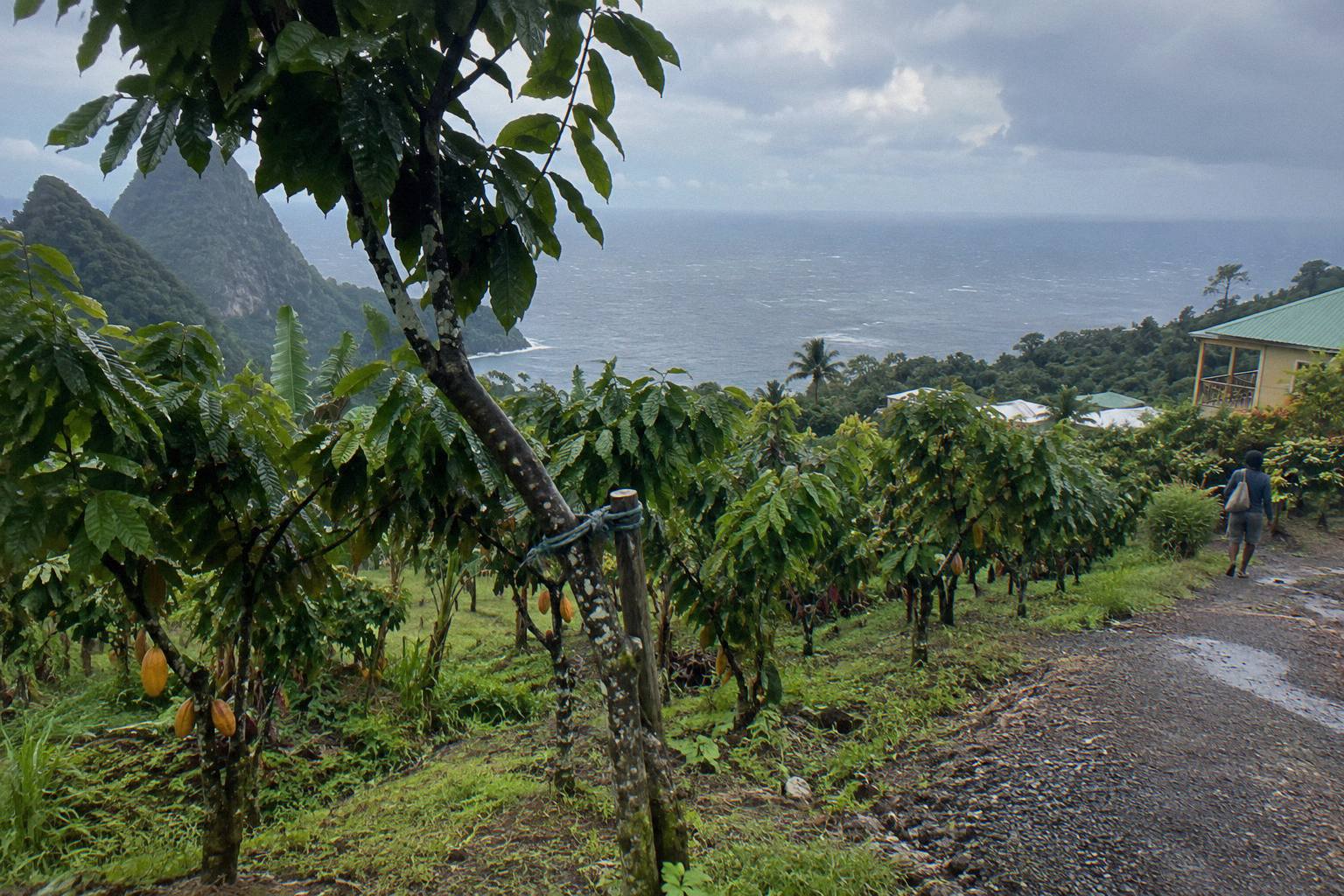
It also helps to know what each estate is not. The Rabot Estate is not a hotel-only enclave: Project Chocolat, its attraction side, welcomes walk-ins for food and drink during opening hours, and its shop sells Hotel Chocolat's handmade micro-batch chocolate. Fond Doux is not a theme park: it is a working plantation with a resort on it, certified organic and a Green Globe member in its own wording. Neither is a factory tour in the industrial sense, and if that is what you pictured, the can you visit the Hotel Chocolat factory question is answered separately.
The two estates, side by side from the records:
| Point of comparison | Rabot Estate | Fond Doux |
|---|---|---|
| What it is | Working cacao farm with an attraction, Project Chocolat, on six acres | Restored 19th-century colonial estate on a 250-year-old working cocoa plantation |
| Cocoa activity | Bookable Tree to Bar and Bean to Bar sessions | Traditional cocoa fermentry house and the Plas Cacao shop |
| Eating | Market-style lunch included in the Tree to Bar session; walk-ins welcome at the Cacao Bar | Two restaurants on the estate |
| Staying | Adults-only boutique hotel with 25 lodges | 25 unique rooms in resort wording |
| Bookable listed here | Yes | No |
| Certification wording | Not stated by the company pages | Certified organic estate, Green Globe member |
What Makes The Rabot Estate Different?
The Rabot Estate is the estate you can book. Hotel Chocolat bought it in 2006, and the company and the tourism authority both describe it as the oldest working cacao farm on the island. Project Chocolat, set across six acres of the estate, runs the Tree to Bar session daily, from US$130 per person for roughly 2.5 hours with a market-style lunch included, rated 4.7 from 587 reviews. Transport is not included.
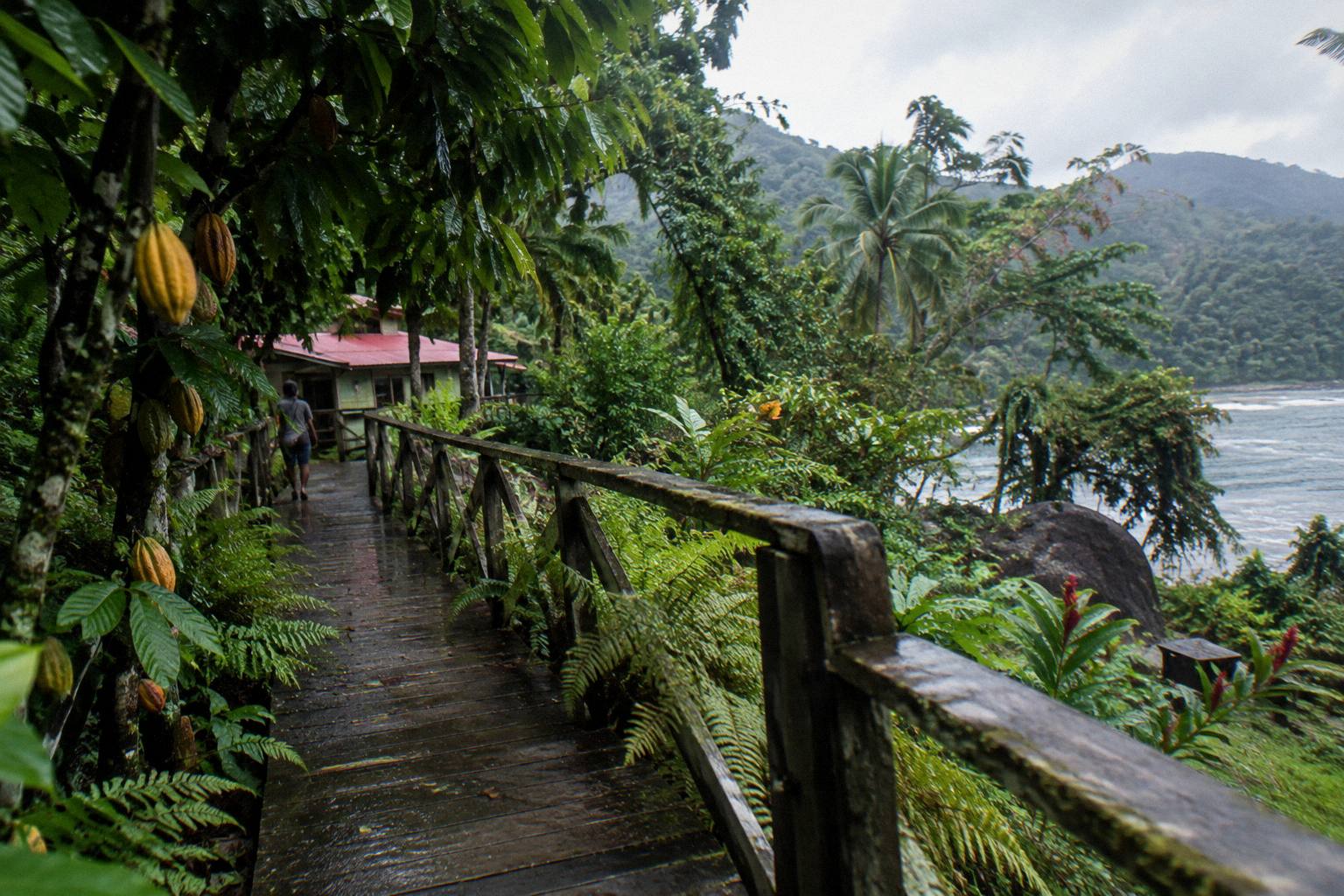
The session itself is the product. Tree to Bar walks you through the cacao groves on a rainforest tour, teaches you to graft a cacao tree, which the FAO names as the preferred propagation method on the island, and ends with you making your own chocolate bar. Lunch is part of the fare. The shorter Bean to Bar route skips straight to the bar-making, and a version with private transport exists listed here from US$190 per person with bottled water, soft drinks and a Piton Beer included.
Practical details matter here. The session has a minimum age of 8, so families with younger children should check the alternatives before committing. Free cancellation applies up to 24 hours before start. The estate sits at Hotel Road, Rabot, Soufriere, and because transport is excluded from the main session, you either drive, take a taxi or build the visit into a day tour, which is exactly what several listed products do.
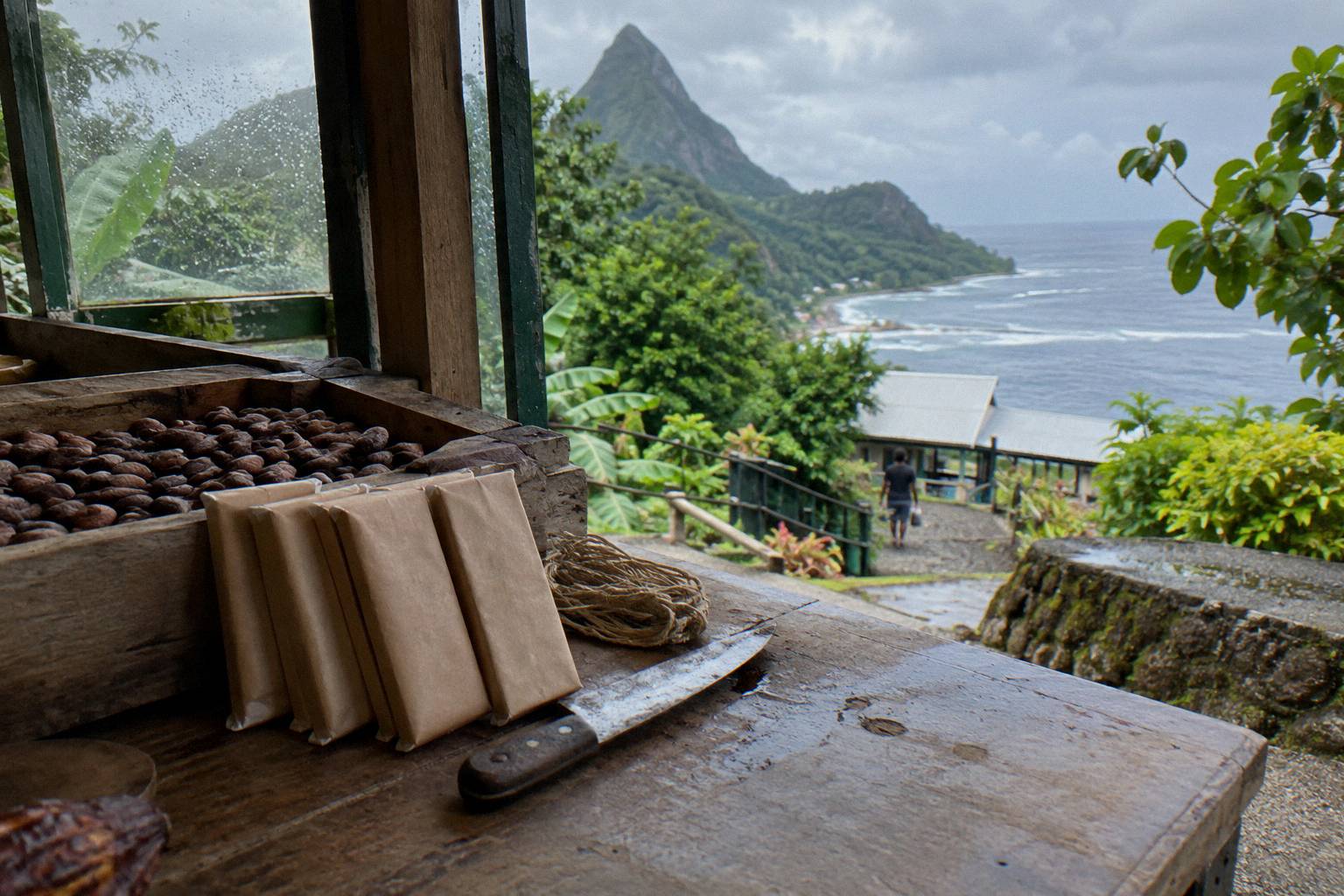
The estate's wider setting does some of the selling on its own. The Cacao Bar overlooks the Pitons, the two volcanic peaks, Gros Piton at 798 m and Petit Piton at 743 m, inscribed by UNESCO in 2004. The Project Chocolat page describes the six-acre layout and daily hours, and the Hotel Chocolat cocoa estate page records the 2006 purchase. There is also an adults-only boutique hotel on the estate with 25 lodges, an infinity pool and a spa, which is worth knowing even if you never sleep there, because it shapes the atmosphere of the upper grounds.
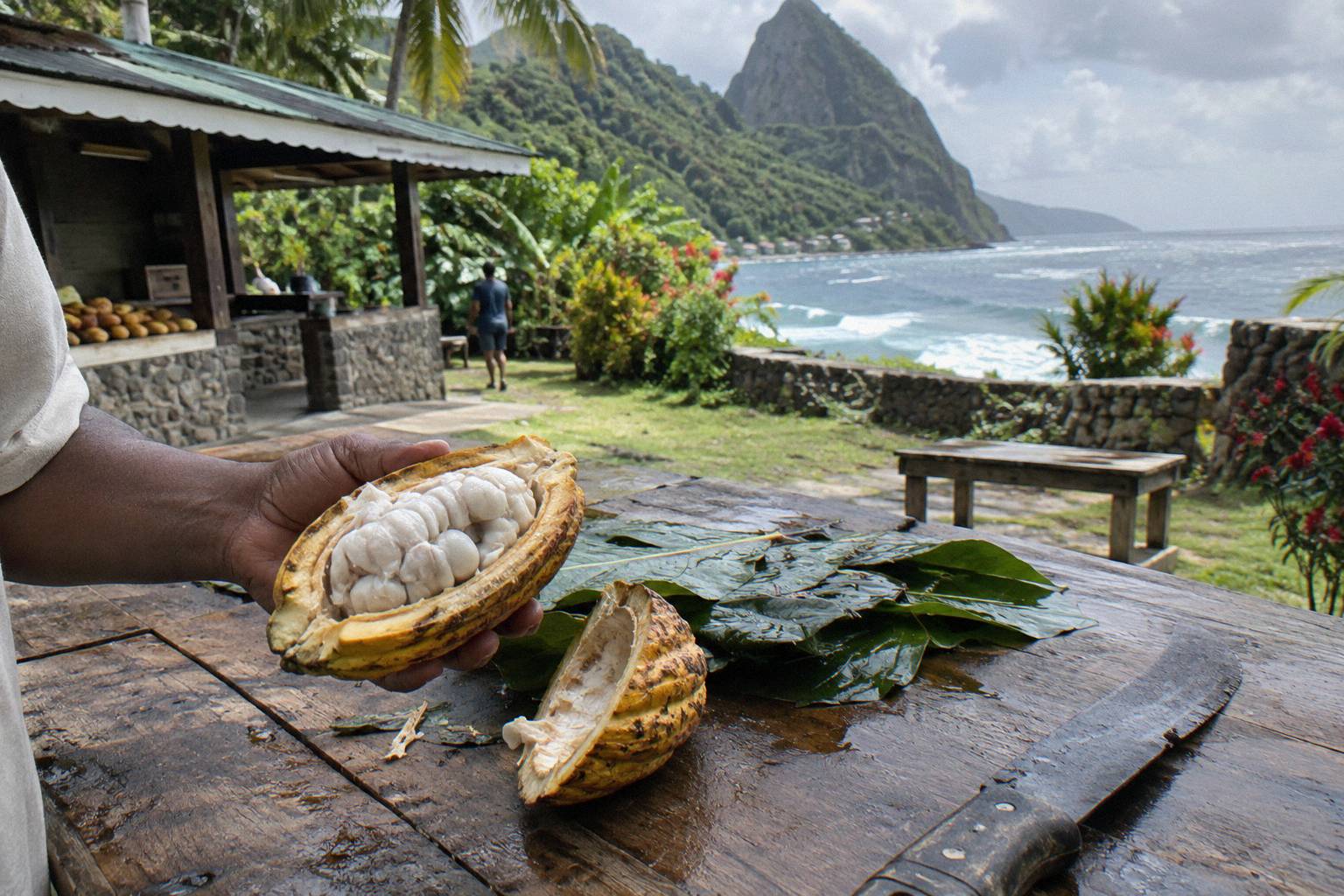
If a self-directed estate day appeals more than a fixed session, the Rabot Estate visit guide covers the place, access for non-guests and the bundled lunch in full, while the Project Chocolat Tree to Bar session explained walks the session stage by stage. Between them they answer most of what the estate day and the session day each feel like.
What Makes Fond Doux Different?
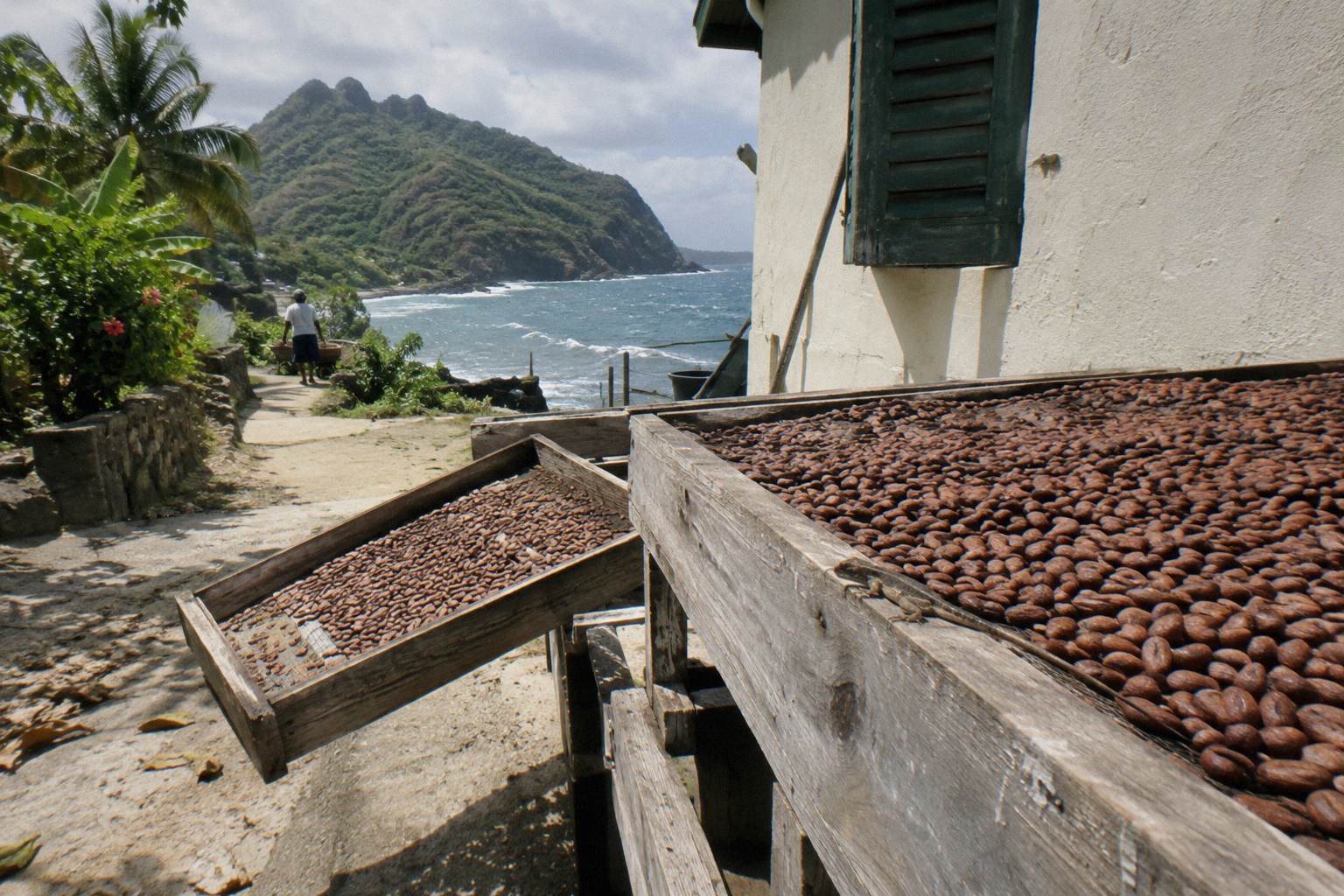
Fond Doux is a place, not a bookable listed session. Its own resort wording describes a restored 19th-century colonial estate on a 250-year-old working cocoa plantation, with 25 unique rooms, two restaurants, a traditional cocoa fermentry house and the Plas Cacao chocolate shop. Nothing listed here books a Fond Doux experience, so it enters your planning as a place to know about, never as a booking.
That distinction is the single most useful thing to hold onto. The estate's cocoa story is visible in its structures: the fermentry house is where beans were traditionally fermented and dried, the stage the FAO workshop curriculum covers alongside pruning, drainage and pod opening, and the Plas Cacao shop sells the estate's cocoa output. The Fond Doux about page is the primary source for all of this, including the organic certification and Green Globe membership.
What Fond Doux offers that Rabot does not is the resort rhythm. Two restaurants, cottage-style rooms set among the trees, and the sense of a working plantation that has been absorbing guests for decades rather than hosting them for two and a half hours. If your St Lucia trip already includes nights on island, a stay here puts the cocoa estate outside your door. The Fond Doux plantation guide goes deeper on what a visit covers.
The plain limit is bookability. Because no listed product names Fond Doux, the site cannot price a visit, a meal or a stay there, and the estate's own pages are where those figures live. When a day calls for a guaranteed chocolate activity with a fixed fare and free cancellation, the lineup is the tool, and Fond Doux becomes the scenic layer around it rather than the anchor of the day.
Which Listed Sessions Fit Each Style Of Day?
Session people should start with Tree To Bar Estate, Lunch Included at from US$130 per person; place-first people should look at the private plantation visit, from US$120 with entrance fees paid separately, or the Soufriere sights tour with chocolate making, from US$180 per person with entrance fees also paid on arrival. All three allow free cancellation up to 24 hours before start. The listed other cocoa stops then layer on top, from rum pairings to full Soufriere day tours.
The table below lays out the options that map onto this decision. Prices are per person as the lineup gives them, except the private visit, which carries no per-person basis.
| Listed product | Format | From price | Duration | Min age |
|---|---|---|---|---|
| Tree To Bar Estate, Lunch Included | Estate session on Rabot, lunch included, transport excluded | from US$130 per person | 2 to 3 hours | 8 |
| Bean To Bar, Private Transport | Shorter bar-making route with private vehicle | from US$190 per person | 2 hours | All ages |
| Private Cocoa Plantation Visit | Private, up to 4 guests, entrance fees separate | from US$120 | 4 hours | All ages |
| Chocolate Making, Soufriere Sights | Up to 15 guests, entrance fees on arrival | from US$180 per person | 3 to 6 hours | 6 |
| Chocolate, Rum And Rafting Trio | Small group up to 6, all fees included | from US$149.50 per person | 6 hours | 12 |
The private plantation visit deserves a closer look for the Fond Doux-minded traveller. It is a private, four-hour format for up to four guests departing Soufriere, run by Travelers Env, from US$120 with no per-person basis printed because the format is private. Bottled water is included; entrance fees are not, and are paid by guests at the sites. It carries one review, so it has no rating standing to lean on, but as a shape of day it is the closest listed match to a place-led visit: private transport, a driver-guide and your own pace at a working plantation.
The sights tour goes the other way. Chocolate Making, Soufriere Sights, run by St. Lucia Scenic Tours from US$180 per person, wraps a chocolate-making stop inside a three to six hour Soufriere loop with pickup included, complimentary water, soda and beer on board, and entrance fees paid when you reach the sites. It suits the traveller who wants the chocolate stop to be one colour in a broader Soufriere day rather than the whole canvas, and the Soufriere day trip with a chocolate stop guide builds that full day out.
For the transport-averse, Bean To Bar, Private Transport solves the main Rabot session's biggest friction. From US$190 per person, Xceptional Tours bundles the shorter bar-making experience with private air-conditioned transport, entrance fees to the chocolate-making experience, bottled water, soft drinks and a locally made Piton Beer. Lunch and the Tree to Bar grove walk are excluded, so it trades the full estate story for door-to-door ease. It has 13 reviews, too few for a rating claim here.
How Do The Costs And Durations Compare?
Count the extras before comparing fares, because the headline prices sit on different footings. Tree To Bar at from US$130 per person includes lunch but excludes transport; the private plantation visit at from US$120 adds entrance fees on arrival; the sights tour at from US$180 per person includes pickup but pays site entrances on the day.
A fair comparison builds the true day cost, not the sticker. For the Tree to Bar session, add the cost of getting to Soufriere, since transport is excluded, and weigh that against the included market-style lunch. For the rum pairing products, one listing is explicit: the Rum Tour and Chocolate Making Experience from US$140 per person excludes the US$45 per person chocolate factory admission, paid separately, and lunch is also excluded. The Sugar Beach Signature Day from US$187.50 per person excludes the US$12 per person mud bath entrance. Those separate line items are the difference between an apparent bargain and an expensive surprise.
Cancellation terms differ too, and they matter more on a Caribbean trip than most. Nearly every listed cocoa product allows free cancellation up to 24 hours before start. One does not: the catamaran cruise and Sulphur Springs day from US$286.50 per person is all sales final, rated 4.2 from 19 reviews, a 10-hour format that bundles a sail to Hotel Chocolat, a cocoa lunch menu, mud baths and snorkelling under the Pitons. Booking that one early saves nothing if plans shift, so check the cancellation line on the booking page before reserving.
| Cost element | Tree To Bar Estate | Private Plantation Visit | Soufriere Sights | Rum And Chocolate Pickup |
|---|---|---|---|---|
| Headline fare | from US$130 per person | from US$120, private basis | from US$180 per person | from US$140 per person |
| Lunch | Included | Not named as included | Excluded | Excluded |
| Transport | Excluded | Private transport included | Pickup included | Hotel and cruise port pickup included |
| Fees to budget | None named | Entrance fees paid separately | Entrance fees on arrival | US$45 factory admission per person, separate |
| Free cancellation | Yes, 24 hours | Yes, 24 hours | Yes, 24 hours | Yes, 24 hours |
Season planning belongs in the same conversation as cost. The island averages 23 to 31 °C all year, with the driest, busiest stretch from December to April and the rainy season running June to December in brief showers, per the Saint Lucia tourism seasons and weather page. Hurricane season runs 1 June to 30 November, and the tourism authority's Holiday Guarantee lets hurricane-affected trips be cancelled or rescheduled before arrival at no cost. Cruise visitors should also know the main Castries season runs October to April with as many as five ships calling in one day, which tightens session availability on port days.
Which Estate Fits Families, Cruise Days And Short Trips?
Families with children under 8 rule out the main Tree to Bar session immediately, since its minimum age is 8, and should look at Bean To Bar with no minimum age, the chocolate and Marigot Bay shopping tour from US$144.50 per person with a minimum age of 2, or the sights tour at age 6. Cruise days favour products with port pickup and generous duration buffers, and the shortest trips should stay with the 2 hour formats.
The family logic is age arithmetic before anything else. The Marigot Bay product, run by CHIC HOSPITALITY, is a five-hour small-group format for up to 6 guests with door-to-door pickup from a hotel or the Castries port, a full 60-minute bean-to-bar workshop, all fees and taxes included, and WhatsApp support before, during and after. Its minimum age of 2 makes it the natural entry point for toddlers, and food and souvenirs are the only extras to buy. It has 11 reviews, so no rating is claimed here.
Cruise days need pickup, buffer and a hard finish. The Rum and Chocolate Tasting Journey from US$175 per person, run by Rumie Tours for up to 10 guests with a minimum age of 7, includes transport and bottled water over 4 to 5 hours, and departs with the flexibility a port day demands. The Sea Spray Excursion with rum and chocolate tasting, from US$195 per person for 8 hours 30 minutes with local lunch, rum punch and beer included, suits a full-day berth. The cruise passengers chocolate day guide handles all-aboard logic in detail, and note that ship times and driving legs are never printed here because no official source states them.
Short trips and second visits fork again. It is the clearest example of chocolate as one third of a day rather than the whole of it.
What Trips People Up Before You Book
The recurring mistakes are assuming Fond Doux is bookable here, assuming the Rabot session's price includes transport, reading headline fares without the separate entrance fees, and trusting a rating with too few reviews behind it. Each has a fix, and every fix takes under a minute on the booking page before you pay anything.
First, the Fond Doux trap. Nothing listed here names Fond Doux, so no price, duration or promise for it appears here, and the estate's own pages are the only source for what a visit there involves. Build the day around a listed session and treat Fond Doux as scenery, a lunch stop or a stay, checked directly. Second, the transport trap: the main Tree to Bar product explicitly excludes transportation, and the Bean to Bar with private transport exists precisely because of that gap.
Third, the extras trap. The rum and chocolate pickup product carries a US$45 per person chocolate factory admission outside its fare; the sights tour and the private plantation visit collect entrance fees on arrival; the Sugar Beach day's mud bath entrance is US$12 per person, separate. Budget the day, not the headline. Fourth, the rating trap: a 5.0 from three reviews is three people, not a verdict, which is why the site prints counts beside every rating and prints none at all below fifteen reviews.
Beyond the fixes, a note on timing your choice. Cocoa harvest months have no official source on this island, so no page here promises pods, pruning or fermentation stages on any given date; what runs and what you see depends on the season and the operator. Grafting, the FAO notes, is the preferred propagation method, so the grafting element of the Tree to Bar curriculum is a year-round teaching exercise rather than a harvest gamble. Ask the operator what the groves look like in your travel month if that matters to you.
Booking ahead versus on the day is its own question, with a full booking ahead guide, but the short version for this decision: the Tree to Bar session is the island's flagship chocolate product by review volume, and port days stack demand, so dates in the October to April cruise season are worth reserving early, with the 24-hour free cancellation on nearly every listed product as the safety net.
Where that leaves the headline choice: if the day exists to make chocolate, book the Rabot session through St Lucia Chocolate Tours and let everything else arrange itself around it; if the day exists to be on a plantation, plan Fond Doux direct and reserve one of the listed Soufriere cocoa stops as the guaranteed anchor. See dates on the booking page for whichever way you lean, since prices vary by date and group.
Common Questions About Choosing A Cocoa Estate
Fond Doux Or Rabot Estate: Which Is Better?
Rabot suits a booked, structured chocolate session with lunch, from US$130 per person for 2 to 3 hours. Fond Doux suits a slower, historic-plantation setting with a fermentry house and the Plas Cacao shop. Only the Rabot-based session is listed here.
Can You Book A Fond Doux Chocolate Tour Here?
No. No listed product names Fond Doux, so no price, duration or booking exists for it through the booking page. Check the estate directly for visits, meals and stays, and use a listed Soufriere session as your guaranteed chocolate activity.
Does The Rabot Estate Session Price Include Transport?
No. Tree To Bar Estate, Lunch Included excludes transportation; the fare covers the estate tour, the chocolate-making experience and lunch. A Bean to Bar version with private transport is listed here from US$190 per person.
Which Estate Visit Works With Children?
The main Tree to Bar session has a minimum age of 8. Bean to Bar has no minimum age, and the chocolate and Marigot Bay shopping tour from US$144.50 per person takes children from age 2.
Is Fond Doux Or Rabot Closer To Soufriere Town?
Both sit in the Soufriere area; the Rabot Estate is at Hotel Road, Rabot, Soufriere. No official source gives driving times or distances between these places, so none is printed here.
Can You Cancel If Your Plans Change?
Most listed cocoa products allow free cancellation up to 24 hours before start, including the main Tree to Bar session. The catamaran cruise and Sulphur Springs day is all sales final, so check the cancellation line before reserving that one.