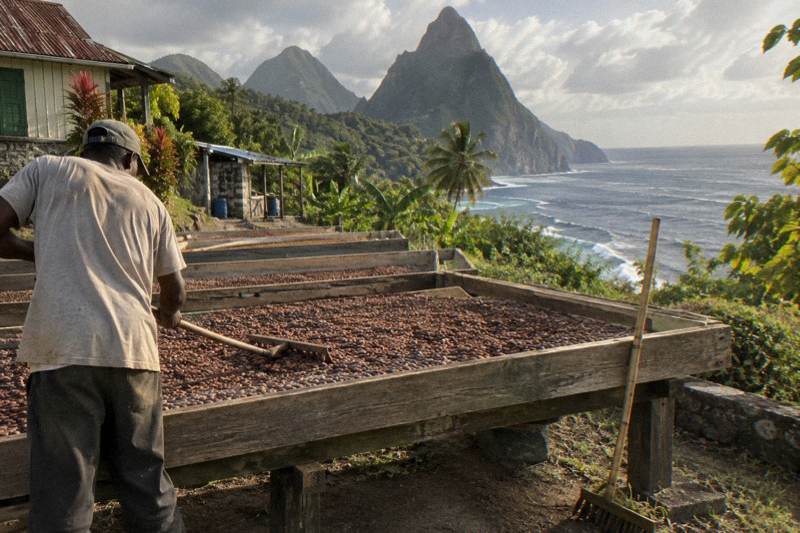
St Lucia Cocoa Tea: What It Is, How It Is Made And Where To Try It
Cocoa tea is an island tradition that spans generations, made with freshly ground cocoa sticks and fresh spices. This page sets out what is known about it, how it fits the island's cocoa story, and which estate days are the natural place to encounter it.
Short answer
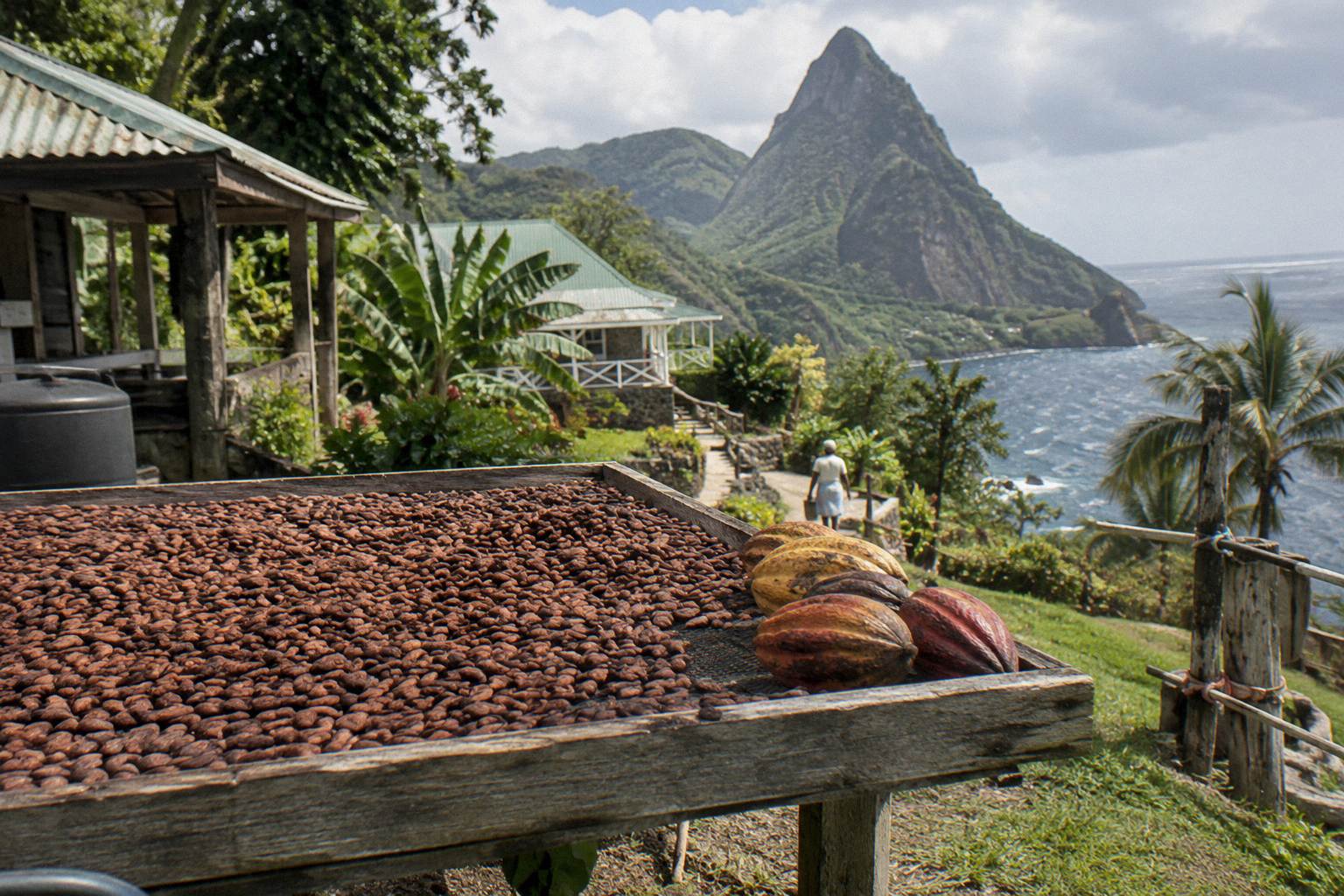
Cocoa tea on St Lucia is a generations-old morning drink made from freshly ground cocoa sticks and fresh spices such as nutmeg, cinnamon and bay leaf, per the FAO's reporting on the island's cocoa revival. Estate sessions from US$130 per person are where cocoa growing and processing are explained, which is the closest bookable route to the tradition.
Start with the Tree To Bar estate session listing if you want the flagship bookable estate day, because cocoa tea itself is not a ticketed product anywhere listed here. It is a tradition, and the practical way to get close to it is a day at a working cocoa estate where the crop, the fermentry and the bean are explained stage by stage. That is the shopping decision this page helps with.
| Fact | Detail |
|---|---|
| What it is | An island tradition that spans generations, per the FAO |
| Core ingredient | Freshly ground cocoa sticks |
| Spices named | Nutmeg, cinnamon and bay leaf |
| Who drinks it | A profiled cocoa farmer starts each morning with a cup |
| Source | The FAO story on cocoa's revival on Saint Lucia |
| Where to encounter the tradition | Estate sessions that explain cocoa, from US$130 per person |
| Island standing | Top nine exporter of 100 percent fine or flavour cocoa (ICCO, quoted by FAO) |
| Cocoa arrival on the island | The 1660s |
What Is Cocoa Tea On St Lucia?
Cocoa tea is a hot morning drink made from freshly ground cocoa sticks and fresh spices, and it is an island tradition that spans generations. The FAO, reporting on Saint Lucia's cocoa revival, describes it exactly that way, and profiles a cocoa farmer who is up since 3:30 am and starts each morning with a cup. It sits closer to a spiced cocoa infusion than to the powdered drinking chocolate sold in packets.
It belongs to the daily rhythm of the island rather than to any visitor menu, and that point matters for how you plan. Cocoa tea is a household and farm tradition, not a bookable experience in its own right, and nothing listed here of bookable estate days names a cocoa tea tasting in its inclusions. So the realistic goal for a visitor is twofold. First, understand the tradition from the reporting that documents it. Second, book the kind of estate day where cocoa itself, the pod, the bean, the fermentry and the grinding, is explained, because that is where the ingredient behind the drink becomes concrete.
The tradition also explains something about the island's economy that a casual visitor would miss. Saint Lucia is one of the top nine exporters of 100 percent fine or flavour cocoa to the United Kingdom market, and among the top 23 producers of premium cocoa, figures the International Cocoa Organization supplies through the FAO story on cocoa on Saint Lucia. A drink that starts a farmer's morning is the consumer end of a supply chain that the island takes seriously at the export end too.
One fair framing of the gaps: the documented facts about the drink are specific but narrow, and the sections below do not pad them with invented recipes, quantities or taste descriptions. What is sourced is stated; what is not sourced is left alone. That discipline keeps the page useful rather than padded with plausible-sounding filler that would mislead a planner.
How Cocoa Tea Is Made From Sticks And Spices?
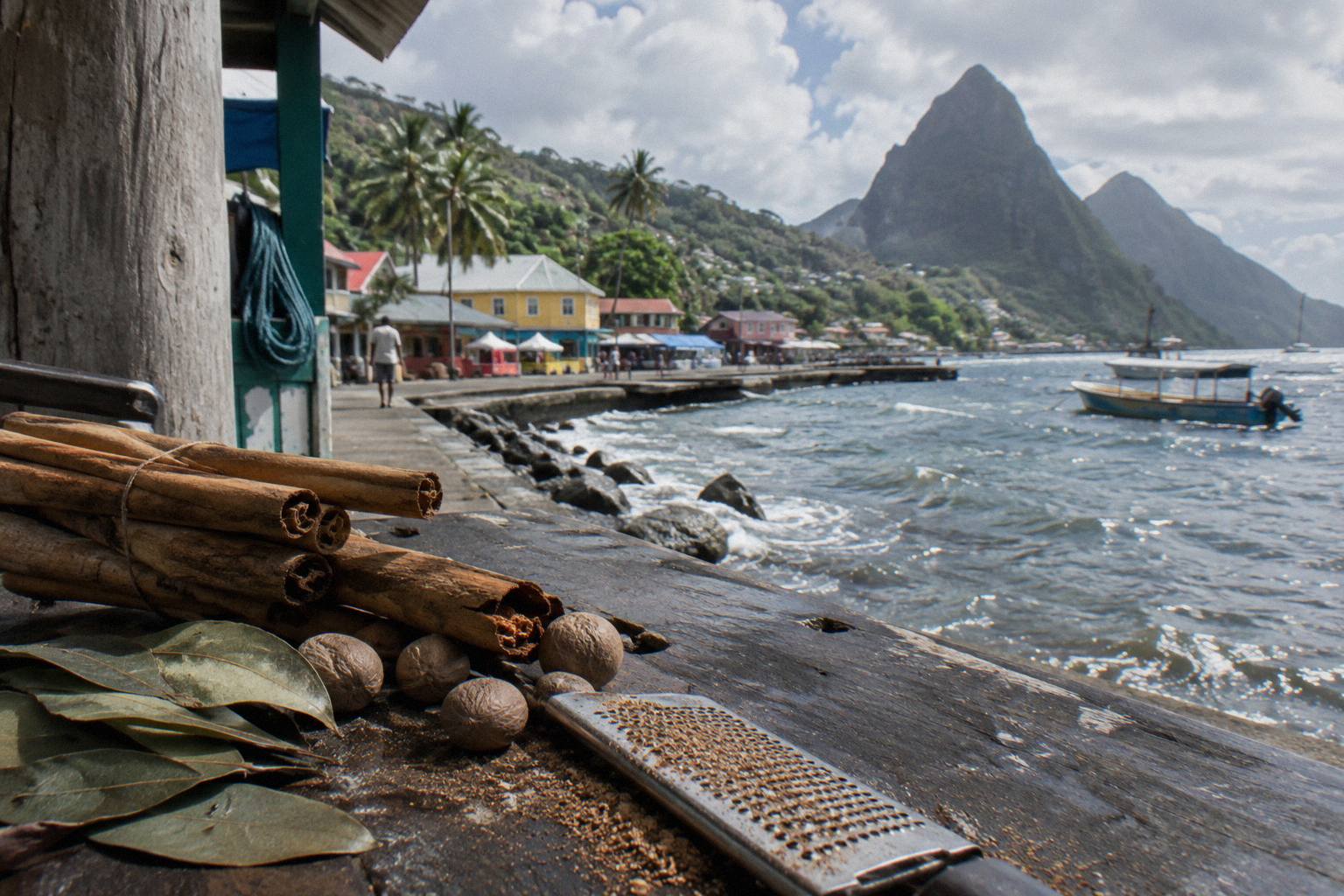
The documented method is short: freshly ground cocoa sticks are combined with fresh spices, and the spices the FAO names are nutmeg, cinnamon and bay leaf. That is the full extent of what official reporting confirms about the preparation. No quantities, no steeping times and no further steps appear in any primary source, so this page states the method and stops, rather than inventing a recipe that no covered source describes.
The cocoa stick is the part worth understanding, because it links the drink to the island's post-harvest craft. After harvest, pods are opened, seeds are extracted and fermented, and the beans are dried, all stages the FAO and the Ministry of Agriculture covered in a workshop for over 40 farmers, agro-processors and extension officers. Grinding dried, flavoured cocoa into sticks is the household-format end of that chain, and it is the format the tea starts from. The tradition spans generations precisely because the processing steps behind the ingredient were already island knowledge long before any visitor asked about them.
| What Is Documented | What The Source Says |
|---|---|
| The tradition | An island tradition that spans generations |
| The base | Freshly ground cocoa sticks |
| The spices | Fresh nutmeg, cinnamon and bay leaf |
| A daily habit | A profiled farmer, up since 3:30 am, starts the morning with a cup |
| Grafting note | Grafting is the preferred method of propagating cocoa |
| Farmer training | A workshop for over 40 farmers covered fermentation, drying and storage |
Beyond that table, the useful knowledge for a visitor is contextual. Nutmeg, cinnamon and bay leaf are island spice-cupboard staples, and cocoa grown in the Soufriere area's volcanic soil is part of the same landscape, per the Saint Lucia tourism authority's local farms page. If you want the wider arc from pod to bar, the companion guide on cocoa on St Lucia from crop to bean to bar walks each processing stage in detail. This page stays with the drink and the days out that explain it.
Where Does Cocoa Tea Fit The Island's Story?
Cocoa arrived on Saint Lucia in the 1660s, and the FAO traces its fortunes through a banana era in the 1960s, when cocoa played second fiddle, an early-2000s banana collapse after EU trade-agreement changes, and a cocoa revival that is now firmly under way. Cocoa tea is the everyday expression of that long history. A drink that spans generations is what remained constant while the industry around it rose, faded and rebuilt.
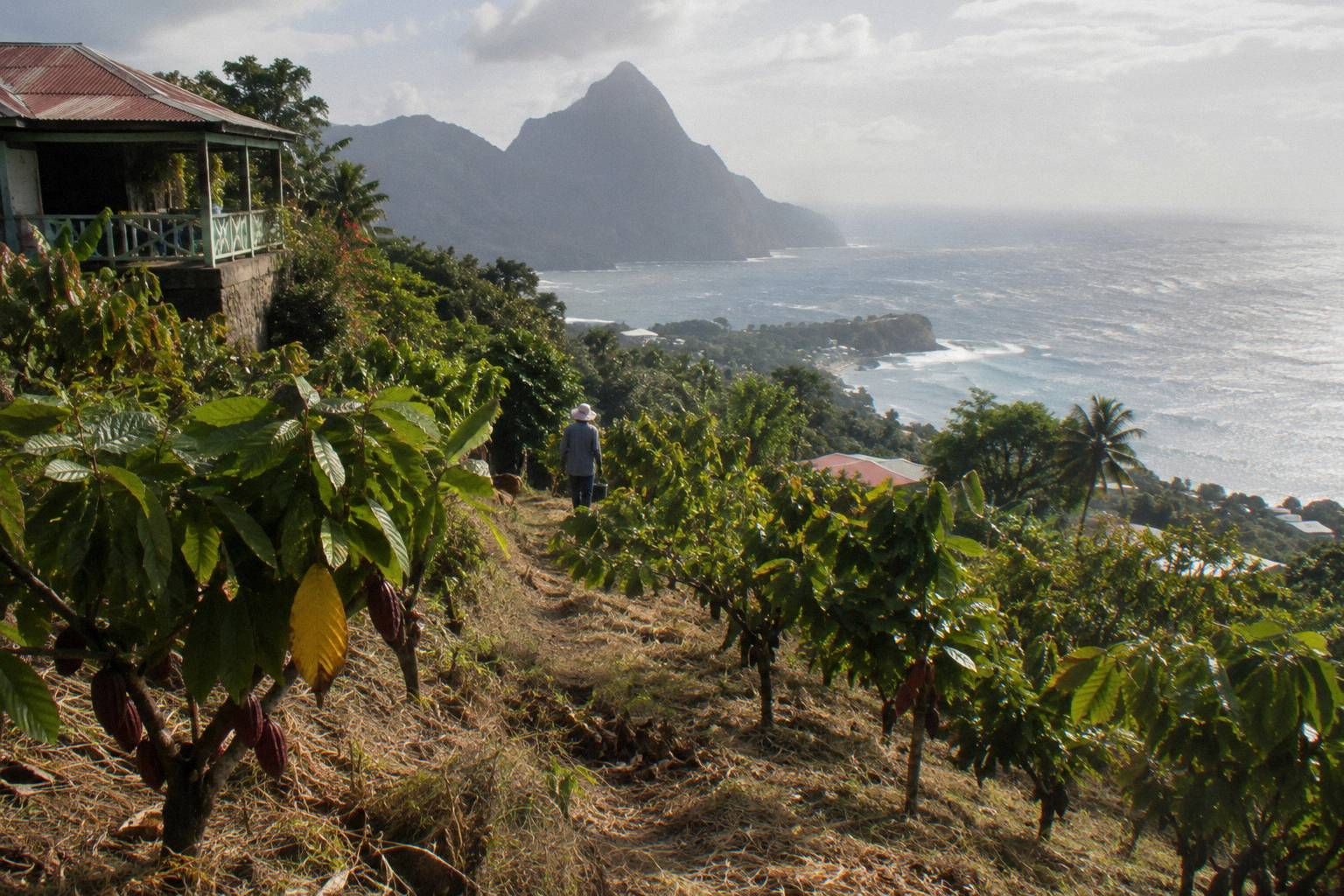
That revival has institutional weight behind it. The FAO and the Ministry of Agriculture ran training covering pests and diseases, pruning, drainage, harvesting, pod opening, seed extraction, fermentation stages and signs, drying and bean storage. Grafting, the preferred propagation method, is taught on the estates too. A visitor who walks a cacao grove is walking through a curriculum that working farmers are also learning, which is a different thing from a staged demonstration.
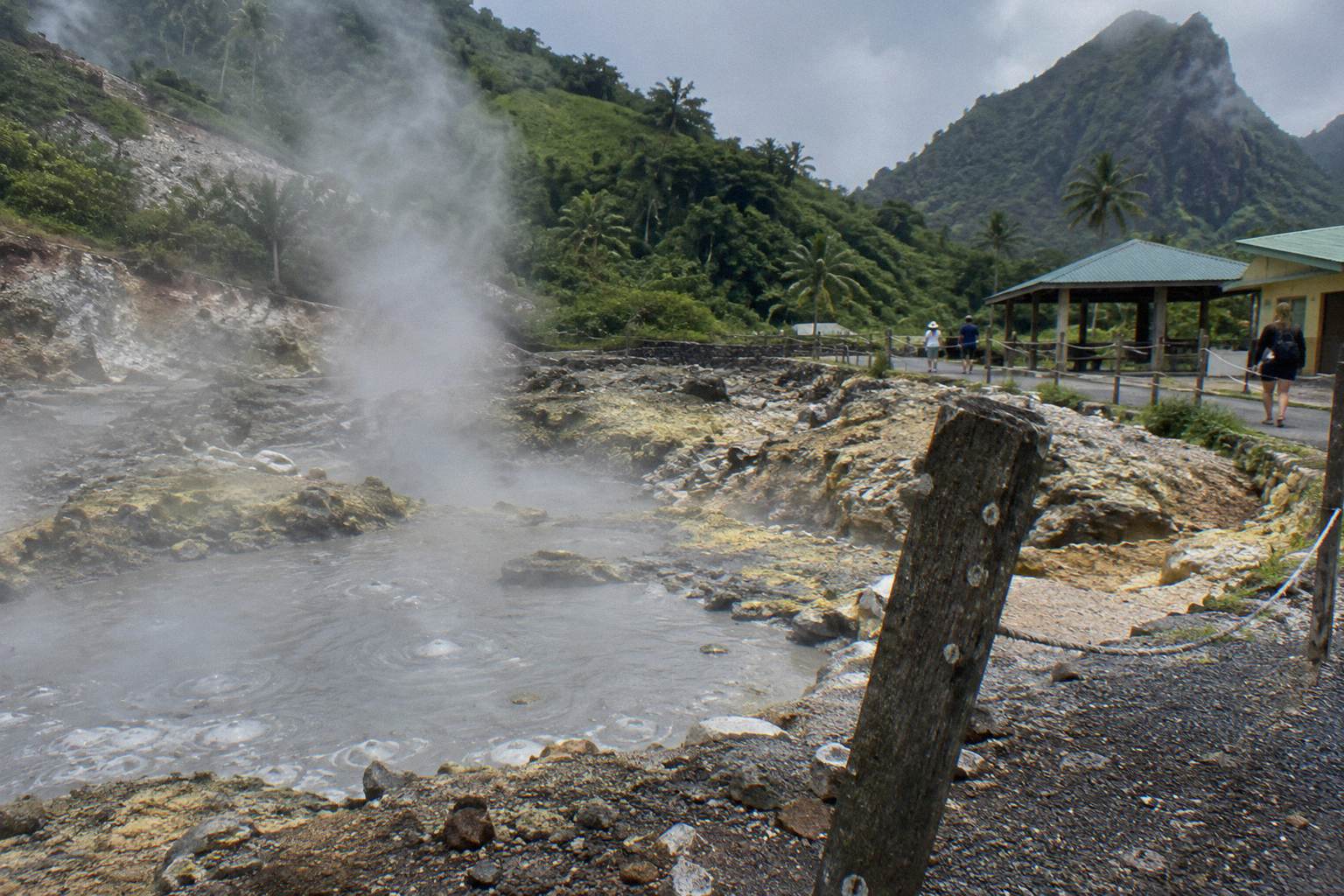
The estate landscape carries the older layers of that story. Morne Coubaril, at Soufriere, has been in the Devaux family for more than two centuries with origins in the 1740s, per the Morne Coubaril estate page. Fond Doux describes itself as a 250-year-old working cocoa plantation. Rabot Estate, bought by Hotel Chocolat in 2006, is described by the company as the oldest working cacao farm on the island, a claim the Saint Lucia tourism authority's local farms and distilleries page also recognises. These are places, and visiting them is a separate matter from booking a product; the next section covers what is actually bookable.
If your interest is less the drink and more the full island chocolate picture, start with choosing between the Hotel Chocolat experience and an independent estate, which compares the two directions a cocoa day can take.
Which Estate Days Connect You To Cocoa?
Three bookable estate sessions fit a cocoa-motivated trip: the Tree To Bar Estate session at the Rabot Estate runs from US$130 per person with lunch, a private plantation visit runs from US$120, and a six-hour coffee and cocoa combo runs from US$250 per person. Note that none of these names a cocoa tea tasting in its inclusions; you are buying a day where cocoa is grown, processed, and explained, not a tea service.
The Tree To Bar Estate, Lunch Included session is the closest fit for the tradition behind the drink. It is rated 4.7 across 587 reviews, runs 2 hours to 3 hours, includes the tree-to-bar cacao tour, the chocolate making experience and lunch, and excludes transportation, so factor a self-drive or a transfer into the day. Minimum age is 8. The session walks the groves, teaches grafting and ends with your own bar, which is the processing chain the tea begins at, run in reverse. Check the live price for your date before you commit, since amounts vary by date and group. More of these guides are collected on St Lucia Chocolate Tours.
The table below is the plain summary of what each of the three names, drawn product by product, because inclusions differ sharply and no two of these days are interchangeable.
| Session | From Price | Duration | What It Names As Included | Notable Flag |
|---|---|---|---|---|
| Tree To Bar Estate, Lunch Included | from US$130 per person | 2 to 3 hours | Cacao tour, chocolate making, lunch | Transportation excluded; ages 8 plus |
| Private Cocoa Plantation Visit | from US$120 | 4 hours | Bottled water | Entrance fees paid by guests; private, up to 4 guests |
| Coffee Crop To Cup, 6-Hour Combo | from US$250 per person | 6 hours | Entrance fee, snacks, coffee or tea | Ages 13 plus; alcohol and meals excluded |
Amounts are US dollars throughout, and the booking page shows the price for your date. The private visit deserves a note on price basis: because it is a private product, per person versus per group is unverified, so the from figure is stated without a basis. Its entrance fees are payable on arrival and the amount shown in its notes is a reference estimate only, actual fees depend on the sites visited, so budget headroom accordingly.
One more planning thought. Cocoa tea is a morning tradition, and the farmer profiled by the FAO is up before dawn with it, so if morning-of-the-land matters to you, ask the operator whether your session can sit early in the day. Sessions run at times chosen on the booking calendar, and nothing here promises a particular start.
What Does The Tree To Bar Session Add To The Cup?
The Tree To Bar session adds the whole chain in one walk: the grove, the grafting, the pod and the bean, ending with a bar you make yourself. For a visitor whose interest began with a spiced morning drink, it turns the cocoa stick from an abstraction into something with a visible origin. The Rabot Estate setting carries its own weight, since the company describes it as the oldest working cacao farm on the island.
Project Chocolat occupies six acres of that estate. The session runs 2 hours to 3 hours, and the FAO detail about grafting being the preferred propagation method maps directly onto what the tour teaches. You are seeing the same technique the Ministry workshop taught farmers. Lunch is a market-style affair and is included, per the estate's own description of the experience. The trade-off to weigh is transport: pickup is not included, so you either drive to Hotel Road, Rabot, Soufriere, or pair the session with a transfer day. The companion page on getting to the Rabot Estate covers that side without inventing drive times.
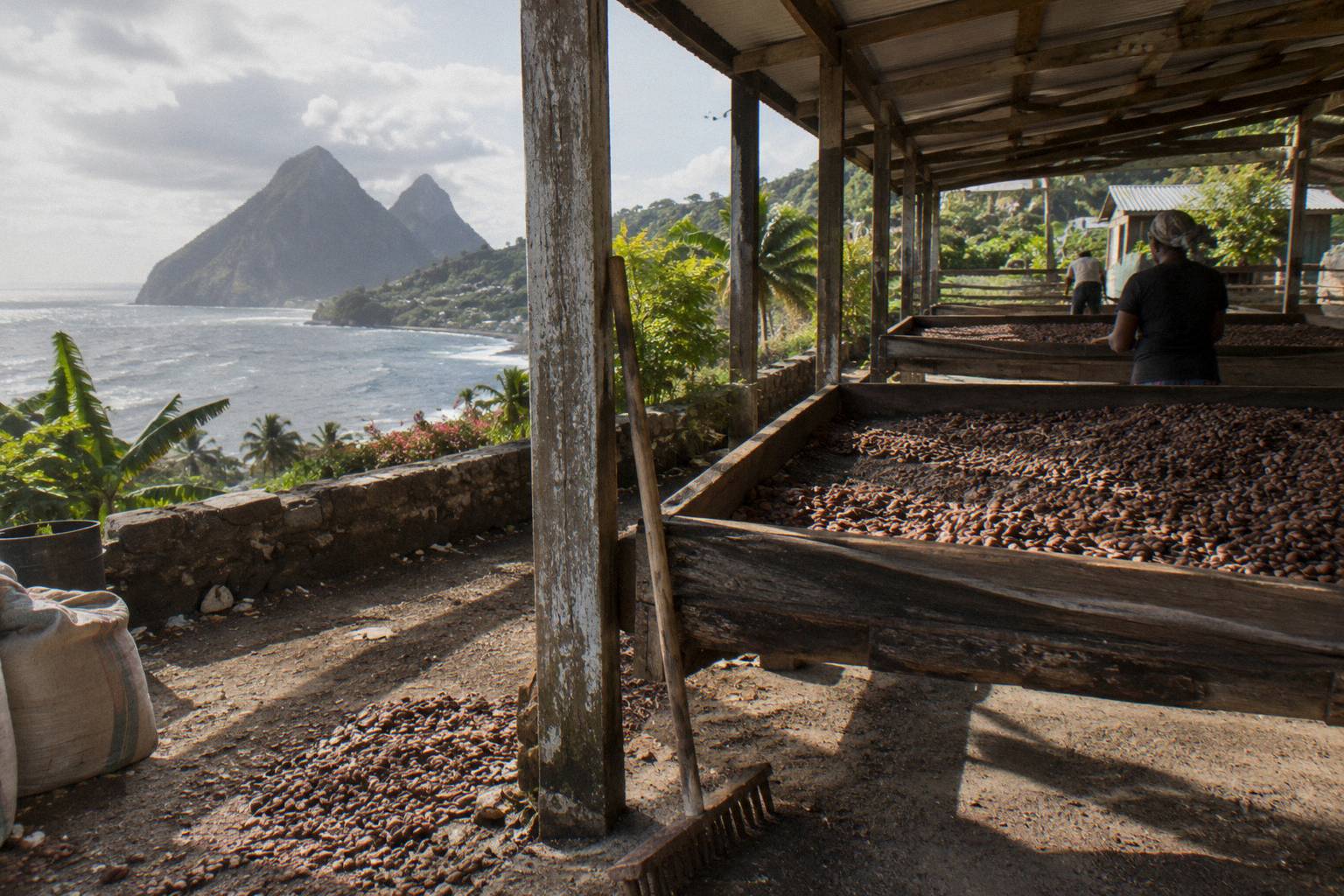
Whether the session justifies its from-price against a shorter alternative is a fair question, and whether the Rabot estate tour is worth it examines exactly that trade. Ratings context helps: 4.7 from 587 reviews is the largest review pool of any product listed here, which is a fact about the pool size and not a ranking claim. Cancellation is free up to 24 hours before the start, which matters if your dates are loose.
If a full estate-visit plan is forming, the Soufriere day trip with a chocolate stop shows how the session slots into a wider southwest-coast day including the Pitons and Sulphur Springs, the site often described as the Caribbean's only drive-in volcano.
Who Should Pick The Private Plantation Or Coffee Combo?
Choose the Private Cocoa Plantation Visit if you are a group of up to four wanting a driver-guided, four-hour cocoa focus without a set class, from US$120 plus entrance fees paid on arrival. Pick the Coffee Crop To Cup, 6-Hour Combo if you are aged 13 or over and want two island crops in one six-hour day, from US$250 per person with snacks, coffee or tea included.
The combo excludes alcohol and meals. The private visit, run by Travelers Env from Soufriere, is the flexibility play. Entrance fees are not covered in the fare and are payable by guests, with the listing's amounts described as reference estimates only. Bottled water is the named inclusion. For a family or a couple who want questions answered at their own pace, that format earns its keep; for a solo traveller comparing value per hour, the combo or the estate session may do more.
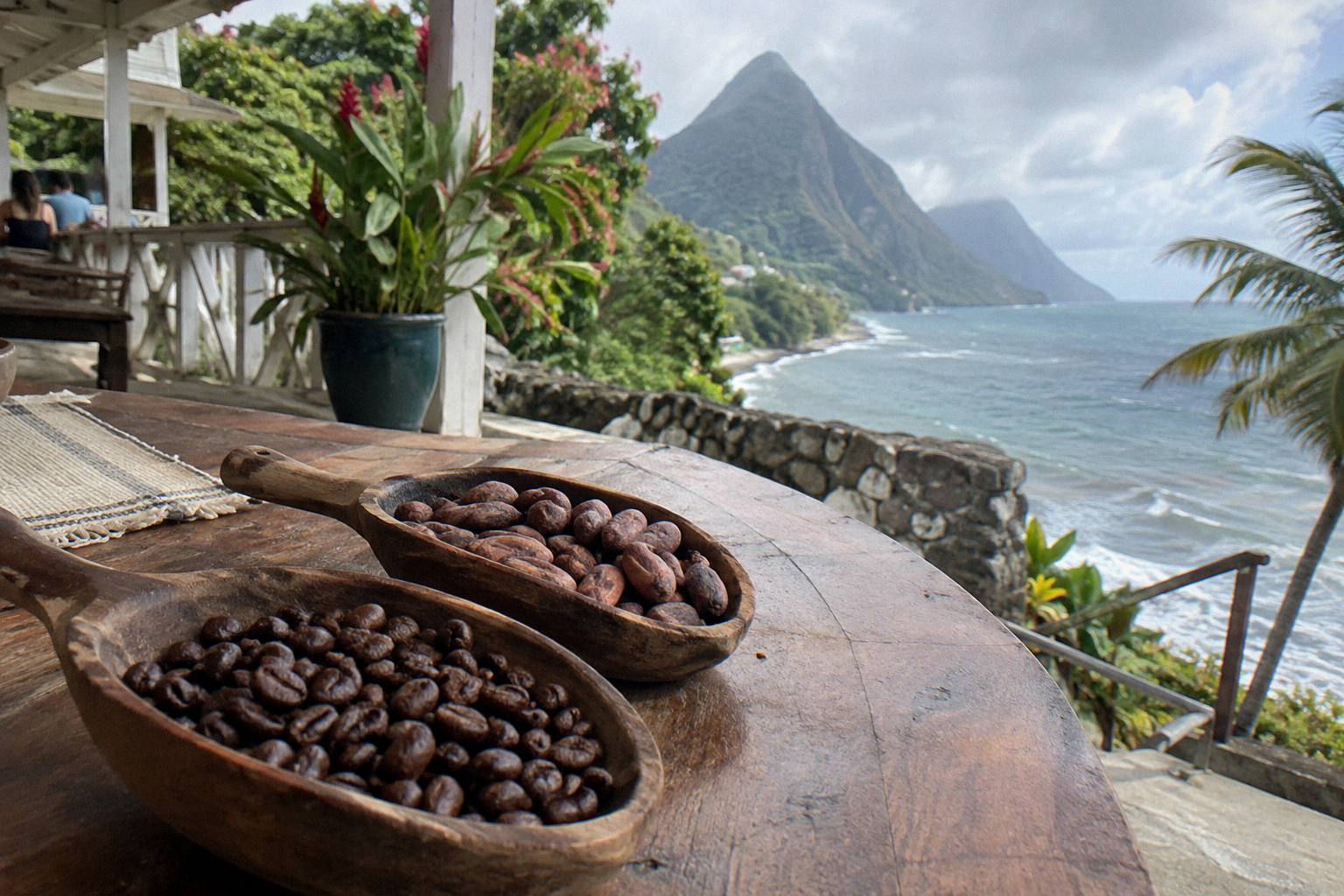
The combo, run by Lush Excursions, pairs a coffee crop-to-cup journey with a cocoa bean-to-bar session, up to 30 guests. Noble Tree Coffee and Cocoa is one of the estate names the island's cocoa trail pages carry, though which specific estates the combo visits is a question for the operator. The pairing is a genuinely different day from a single-estate visit: two crops, two processing chains, one longer outing. Ages 13 plus rules out younger families, so check ages against the guide to kids at a cocoa estate if children are travelling.
When Should You Plan A Cocoa Day On St Lucia?
The busiest and driest season runs December to April, with average temperatures of 23 to 31 °C all year, and that window is the default for a cocoa estate day. Rain falls June to December in brief showers, and the Atlantic hurricane season runs June 1 to November 30, so summer travellers should read the cancellation terms with care. The estate sessions reviewed here all allow free cancellation up to 24 hours before the start, with one exception noted below.
The exception is the Island Routes catamaran day, a 10-hour product at from US$286.50 per person rated 4.2 from 19 reviews, which is all sales final. If a cocoa-adjacent day is part of a hurricane-season trip, that difference in terms is the single most consequential planning fact. The Saint Lucia tourism authority operates a Holiday Guarantee under which hurricane-affected stays can be cancelled or rescheduled before arrival at no cost, per the Saint Lucia tourism seasons and weather page, but product-level cancellation is separate from that guarantee.
Month choice also interacts with what a session feels like on the ground, though no harvest months appear in any official source, so no promise is made here about pods or ripe fruit. What can be said is scoped and sourced: the guide to cacao harvest timing and estate visiting months addresses the same gap directly and reaches the same disciplined conclusion. Cruise passengers face a different calendar entirely, since the Castries cruise season runs October to April with as many as five ships calling in one day, per the ports authority.
What Does A Cocoa Day Cost To Put Together?
The session fares run from US$120 for the private plantation visit to US$250 per person for the coffee and cocoa combo, with the Tree To Bar estate session at from US$130 per person including lunch, and amounts vary by date and group. Around the fare sit the extras each product names: transportation on the estate session, entrance fees on the private visit, meals and alcohol on the combo.
One rum-and-chocolate product carries a separate US$45 chocolate factory admission. Budget the extras product by product, never by rule of thumb. The estate session excludes transportation, so the cost of a transfer or a rental-car day belongs in the mental total. The private visit's entrance fees are payable on arrival. The Rum Tour And Chocolate Making Experience from Tour For The Day, from US$140 per person for a five-hour day, includes private transport, port and hotel pickup, water, rum admission and a licensed guide, but its chocolate factory admission of US$45 per person is paid separately, and lunch and gratuities are excluded. Minimum age is 18, and the group is up to 6 guests.
| Cost Element | Which Product Names It | Figure |
|---|---|---|
| Session fare | Tree To Bar Estate, Lunch Included | from US$130 per person |
| Session fare | Private Cocoa Plantation Visit | from US$120 |
| Session fare | Coffee Crop To Cup, 6-Hour Combo | from US$250 per person |
| Paid separately | Rum Tour And Chocolate Making | US$45 chocolate factory admission |
| Paid separately | Sugar Beach, Chocolates And Mud Baths | US$12 mud bath entrance |
| Included | Tree To Bar Estate | Lunch |
| Excluded | Tree To Bar Estate | Transportation |
The fuller pricing picture, including what a chocolate experience costs in St Lucia across the whole listed, is worth a read before you commit. On-island money mechanics are simple enough: the EC dollar is pegged at EC$2.70 per US$1, US dollars are widely accepted, and change often comes in EC$, so small amounts on arrival days are worth carrying for entrance fees and tips.
What Trips People Up Before You Book
The recurring mistakes are treating cocoa tea as a ticketed product, assuming transport is included, and reading a from-price as a total. No bookable day listed here names a cocoa tea tasting, the flagship estate session explicitly excludes transportation, and the private visit's entrance fees are payable on arrival as reference estimates only. Getting those three straight before booking saves the disappointment that no session can fix afterwards.
A fourth trip-up is age minimums. The estate session takes ages 8 plus, the combo takes 13 plus, the rum products take 18 plus, and one shopping-and-chocolate day takes ages 2 plus. Families booking by price alone routinely hit the age wall at checkout. A fifth is cancellation terms: most products here allow free cancellation up to 24 hours before the start, but the catamaran day is all sales final, and that difference deserves a deliberate read rather than a skim. Ask the operator anything the calendar leaves open; that is what they are for.
Finally, resist the urge to shop for a cocoa tea recipe or a promised tasting before you travel. The documented tradition is real and worth understanding, but it is documented narrowly, and any product claiming a specific cocoa tea experience is making a claim this page cannot support. Buy the day that explains the crop, and let the morning drink remain what it is on the island: a habit, not a show.
Common Questions About Cocoa Tea On The Island
What Is Cocoa Tea On St Lucia?
It is an island tradition that spans generations, made with freshly ground cocoa sticks and fresh spices such as nutmeg, cinnamon and bay leaf, per the FAO's reporting. A profiled cocoa farmer starts each morning with a cup.
Can You Book A Cocoa Tea Tasting In St Lucia?
No listed product names a cocoa tea tasting in its inclusions. The bookable route to the tradition is an estate session where cocoa growing and processing are explained, such as the Tree To Bar Estate day from US$130 per person.
What Spices Go In Cocoa Tea?
The FAO names nutmeg, cinnamon and bay leaf as the fresh spices combined with freshly ground cocoa sticks. No quantities or further steps appear in official sources.
Which Tour Explains How Cocoa Is Grown And Processed?
The Tree To Bar Estate, Lunch Included session at the Rabot Estate walks the groves, teaches grafting and ends with a bar you make, over 2 to 3 hours, from US$130 per person, rated 4.7 from 587 reviews.
Is Cocoa Tea Made With Milk?
Milk does not appear in the documented FAO description, which specifies freshly ground cocoa sticks and fresh spices. No recipe detail beyond those spices can be confirmed.
How Long Is A Cocoa Estate Day On St Lucia?
It depends on the product: the estate session runs 2 to 3 hours, the private plantation visit 4 hours, the coffee and cocoa combo 6 hours, and the island's cocoa-adjacent full days run longer. Check the booking calendar for the format that fits your schedule.